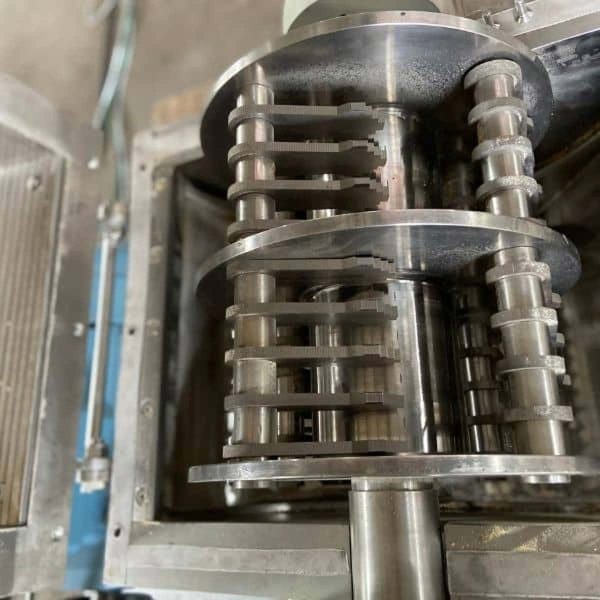
1. The Importance of Ultrafine Pulverizer Maintenance: Why It Cannot Be Ignored?
As a core piece of equipment in industries such as pharmaceuticals, food processing, chemical engineering, and building materials, the operational stability of the ultrafine pulverizer directly affects production efficiency, product quality, and enterprise production costs. Long-term neglect of maintenance can easily lead to issues such as uneven crushing particle size, increased noise, and higher energy consumption. In severe cases, it may even cause faults like motor burnout and bearing damage, resulting in production downtime losses. Regular and scientific maintenance not only extends the service life of the equipment by more than 30% but also maintains a stable crushing effect and reduces maintenance costs, serving as a key guarantee for efficient enterprise production.
2. Core Maintenance Steps for Ultrafine Pulverizers (Module-by-Module Practical Operation)
1. Daily Maintenance: Essential Daily Tasks for Basic Protection
- Cleaning and Dust Removal: After the operation, promptly clean the residual materials inside the machine (especially viscous materials). Compressed air can be used to blow off dust from key parts such as the crushing chamber, screen, and feed inlet to prevent material caking and blockage, which may affect subsequent operations. Meanwhile, wipe off dust from the equipment surface to keep the machine body dry and clean.
- Lubrication Inspection: Check the lubricating oil level of rotating parts such as the main shaft and bearings to ensure the oil is clean and free of impurities. Replenish with special lubricating oil in a timely manner when the level is insufficient (avoid mixing different types of oil) to prevent dry friction and wear.
- Component Fastening: Inspect whether fasteners such as bolts, nuts, and drive belts are loose. Tighten them promptly if any looseness is found to avoid safety hazards caused by component detachment during high-speed operation.
- Operation Monitoring: Record operational data such as current, noise, and temperature of the equipment. If abnormalities occur (e.g., sudden increase in noise, overheating of the machine body), stop the machine immediately for inspection.
2. Regular Maintenance: In-Depth Maintenance by Cycle (Recommended Frequency)
| Maintenance Cycle | Core Content | Precautions |
| Weekly | Dismantle and clean the screen, check for screen damage; clean dust from the fan impeller. | Ensure the screen fits tightly during installation to prevent material leakage. |
| Monthly | Conduct a comprehensive inspection of the transmission system (belt tension, gear meshing); replace lubricating oil (replacement required 1 month after first use, subsequent replacements adjusted based on working conditions). | Maintain appropriate belt tension—too loose causes slipping, too tight accelerates bearing wear. |
| Quarterly | Dismantle core components such as the crushing chamber and classifier wheel, check the wear degree of blades and hammers; clean internal scale of the equipment. | Replace severely worn blades promptly to ensure crushing efficiency. |
| Annually | Test motor insulation performance and bearing clearance; calibrate instruments (e.g., particle size detector, pressure gauge); conduct comprehensive disassembly and maintenance of the equipment. | Motor maintenance must be performed by professional personnel to avoid electric shock risks. |
3. Maintenance Under Special Working Conditions: Adjustments Based on Different Materials
- For viscous materials (e.g., resin, Chinese medicine extracts): Clean the crushing chamber with a special solvent after operation to prevent material adhesion and caking; shorten the maintenance cycle (e.g., change daily maintenance to per-shift maintenance).
- For corrosive materials (e.g., chemical raw materials): Use corrosion-resistant components (e.g., stainless steel, ceramics), regularly inspect components for corrosion, and replace aged parts promptly.
- For high-temperature environment use: Strengthen inspection of the heat dissipation system, clean dust from heat sinks; use high-temperature-adapted lubricating oil and seals.
3. Common Misconceptions in Ultrafine Pulverizer Maintenance: Avoid These “Pitfalls”
- Only cleaning the surface while ignoring internal dust: Dust accumulation inside the crushing chamber and classifier wheel affects material fluidity, leading to uneven crushing particle size. Regular in-depth cleaning is necessary.
- Random addition of lubricating oil: Excessive lubricating oil easily causes oil contamination of materials and increases equipment energy consumption; insufficient oil leads to component wear. Add oil according to the amount specified in the instruction manual.
- “Making do” with damaged components: Damaged 易损件 (vulnerable parts) such as blades and screens reduce crushing efficiency and may cause equipment vibration. Replace them with original accessories promptly.
- No test run after maintenance: Conduct an no-load operation for 10-15 minutes after maintenance to check if the equipment operates stably and without abnormal noise. Put it into production only after confirming no issues.
4. Maintenance Effects of Ultrafine Pulverizers: Evidenced by These Indicators
- More stable equipment operation: Fault downtime rate reduced by over 50%, improving production continuity.
- Sustained crushing efficiency: Shorter crushing time for the same material, 10%-20% lower unit energy consumption.
- Qualified product quality: Improved uniformity of crushing particle size, reduced rate of defective products.
- Extended service life: Properly maintained equipment can have a service life of 8-10 years (compared to 3-5 years for unmaintained equipment).
5. Conclusion: Scientific Maintenance = Cost Reduction and Efficiency Enhancement
The core of ultrafine pulverizer maintenance lies in “daily protection + regular in-depth maintenance + adjustment based on needs”. Through a standardized maintenance process, it not only avoids production downtime losses caused by sudden faults but also maintains the equipment in its optimal operating state, helping enterprises save maintenance costs and improve production efficiency. It is recommended to develop a customized maintenance plan based on the equipment operation manual and actual working conditions. If necessary, contact the equipment manufacturer for professional maintenance guidance.