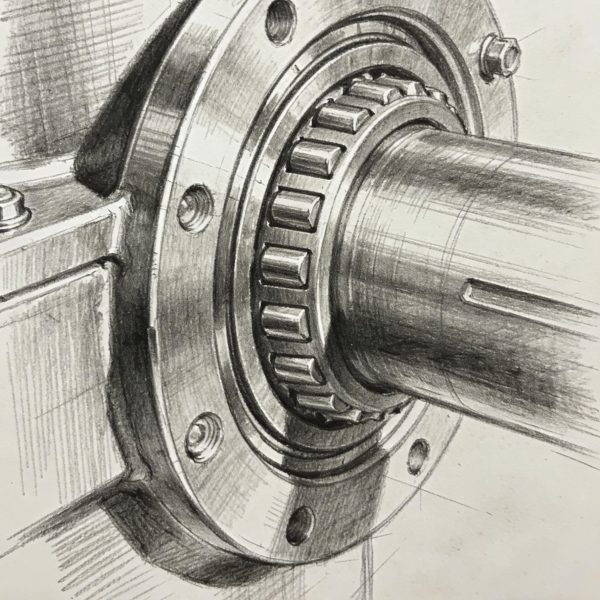
As a core deep processing equipment in non-metallic minerals, medicine, food, chemical and other industries, the sealing performance of the ultrafine grinding directly determines production efficiency, product quality and production safety. Seal leakage is a frequent fault during the operation of ultrafine grinding, which not only causes dust overflow and material waste, but also aggravates equipment wear, increases energy consumption, and even triggers environmental compliance risks and potential safety hazards. Combining industry practical experience, this article details the common causes of ultrafine grinding seal leakage, targeted treatment methods, and clarifies the selection skills of seals in different scenarios, providing actionable references for enterprise equipment operation and maintenance, cost reduction and efficiency improvement, helping enterprises avoid leakage hazards and ensure stable equipment operation.
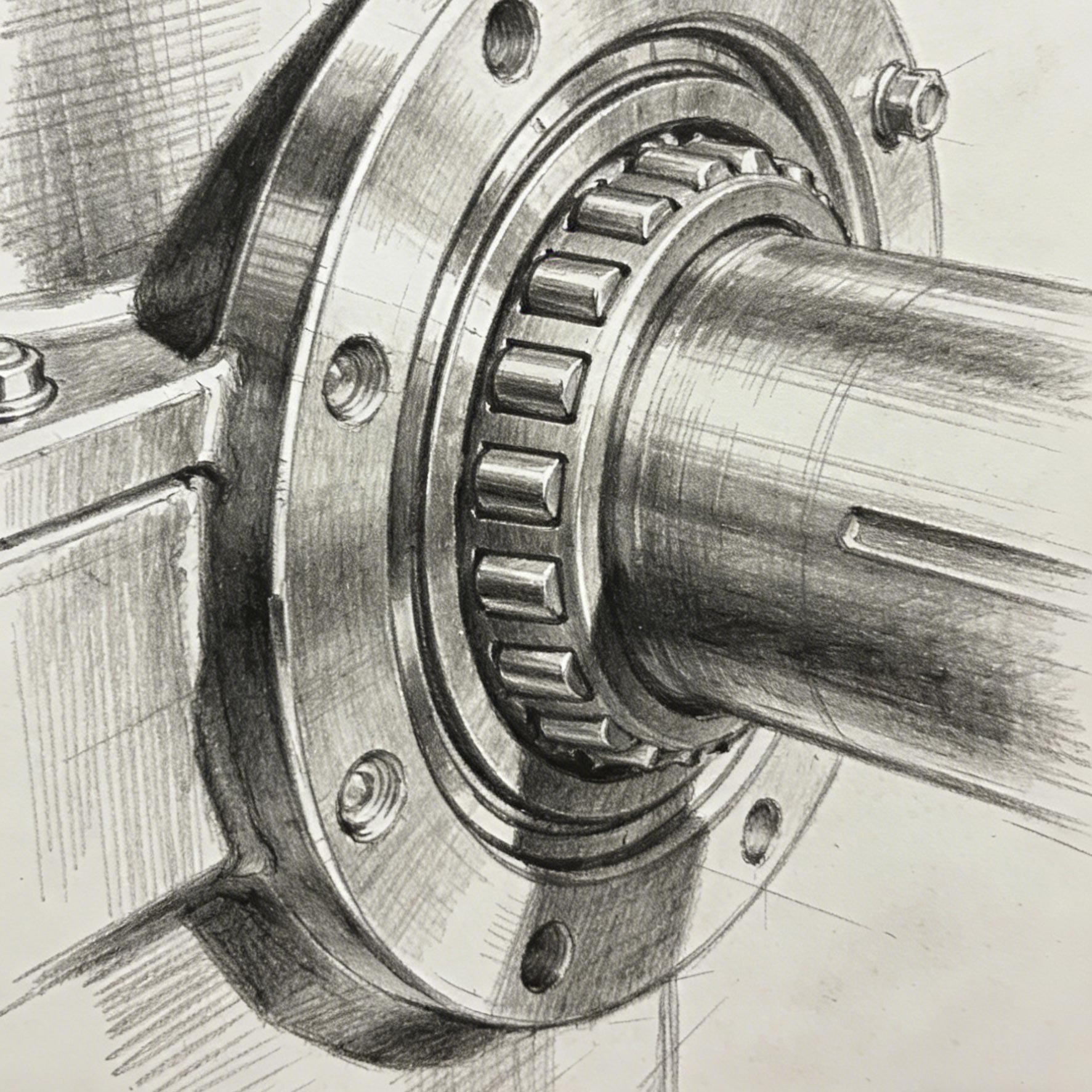
I. Common Causes and Hazards of Ultrafine Grinding Seal Leakage
During the operation of the ultrafine grinding, the internal cavity is in a high-pressure and high-speed operation state, and most of the processed materials are ultrafine powder. The sealing parts are subjected to long-term friction, impact and dust erosion, which are prone to leakage. Identifying the cause of leakage is the premise of efficient treatment, and at the same time, it is necessary to pay attention to the multiple hazards caused by leakage to avoid major losses caused by minor faults.
(I) Common Causes of Leakage (Precise Positioning and Targeted Treatment)
-
Aging or damage of seals: This is the most common cause. Seals are in a high-pressure, high-temperature and dusty environment for a long time. Materials such as rubber and polyurethane will age, harden, crack and deform, and the sealing surface will be severely worn, leading to seal failure; some seals are of substandard quality and will be damaged within a short period of time after installation, causing leakage.
-
Installation deviation or contamination of the sealing surface: During installation, the seal is unevenly stressed or misplaced, or the sealing surface is attached with dust, oil, debris, resulting in poor fit of the sealing surface and gaps; insufficient or uneven bolt tightening force will also cause gaps on the sealing surface, leading to leakage.
-
Excessive equipment vibration: When the ultrafine grinding is running at high speed, if the rotor is unbalanced, the bearing is worn, or the base is not firmly fixed, severe vibration will occur, leading to loosening between the seal and the sealing surface, damaging the sealing effect and causing leakage.
-
Improper adaptation between medium and working conditions: The material of the seal is not matched with the processed materials, working temperature and pressure. For example, using ordinary rubber seals when processing corrosive materials will accelerate the corrosion and damage of the seals; if the working pressure and temperature exceed the bearing range of the seals, it will also lead to seal leakage.
-
Insufficient maintenance: Failure to clean and lubricate the sealing parts for a long time, dust accumulation blocks the sealing gap, or failure to regularly inspect and replace the seals leads to excessive wear and aging of the seals, and finally leakage.
(II) Core Hazards of Seal Leakage (Warning the Industry to Attach Importance to Operation and Maintenance)
-
Affecting product quality: Leakage will cause external air and impurities to enter the grinding cavity, pollute the ultrafine powder materials, and reduce product purity and particle size uniformity. Especially for pharmaceutical, food and semiconductor-grade materials, it will directly lead to product scrapping and increase production costs.
-
Causing material waste and increased energy consumption: The leakage of ultrafine powder not only wastes raw materials, but also increases the equipment load due to unstable cavity pressure, resulting in higher power consumption per unit product. Long-term leakage will greatly compress the enterprise’s profit space.
-
Aggravating equipment wear and shortening service life: The leaked dust will enter the transmission parts such as bearings and gears, aggravate component wear, increase the frequency of equipment failures, shorten the service life of equipment, and increase equipment maintenance costs.
-
Triggering environmental and safety hazards: Dust overflow will lead to excessive dust concentration in the workshop, violate environmental protection regulations, and face environmental protection penalties; at the same time, ultrafine dust is prone to dust emission and explosion risks, threatening the personal safety of operators.
II. Practical Treatment Methods for Ultrafine Grinding Seal Leakage (Scenario-Based Implementation for Efficient Solution)
For different causes of leakage, targeted treatment methods should be adopted, following the principle of “first investigation, then treatment, and finally verification” to ensure the treatment effect and avoid secondary leakage. The following are common practical treatment schemes in the industry, covering high-frequency leakage scenarios, which can be directly applied to enterprise equipment operation and maintenance.
(I) Emergency Treatment: Quick Loss Control to Avoid Expansion of Losses
After discovering seal leakage, emergency measures should be taken first to prevent continuous material leakage and further equipment damage:
-
Stop the machine immediately, cut off the equipment power supply, and perform subsequent operations after the equipment completely stops running and the cavity pressure drops to normal, so as to avoid personal injury caused by high-speed rotating parts.
-
Clean up the dust and materials in the leakage area to avoid dust accumulation blocking the sealing gap, and check the leakage part to initially judge the cause of leakage (such as seal damage, loose bolts, etc.).
-
If the leakage is small and the seal is not completely damaged, the bolts can be temporarily tightened and grease can be added to reduce leakage and ensure normal subsequent production; if the leakage is serious, the seal must be replaced immediately to avoid expanding the fault.
(II) Targeted Treatment: Dismantling According to Causes to Efficiently Solve Leakage Problems
-
Leakage caused by aging/damage of seals: The core treatment method is to replace the seals. First, disassemble the parts at the leakage part, take out the damaged seals, and clean the dust and oil on the sealing surface; select seals consistent with the original model and material, check that the seals are free of damage and deformation, apply grease evenly, install them according to the correct installation method, and ensure that the seals fit closely and are evenly stressed; after installation, test run the equipment to verify the sealing effect.
-
Leakage caused by installation deviation/contamination of the sealing surface: Disassemble the sealing part, readjust the installation position to correct the installation deviation, and ensure that the seal is accurately fitted with the sealing surface; thoroughly clean the dust, oil and debris on the sealing surface with anhydrous ethanol, acetone and other cleaning agents, and reinstall the seal after the sealing surface is dry. When tightening the bolts, use the diagonal uniform tightening method to ensure consistent force and avoid gaps.
-
Leakage caused by excessive equipment vibration: First, investigate the cause of vibration. If the rotor is unbalanced, perform dynamic balance correction on the rotor; if the bearing is worn, replace the bearing in time; if the base is not firmly fixed, tighten the base bolts and add shock absorbing pads to reduce equipment vibration; after solving the vibration problem, check whether the seal is loose or damaged, and replace the seal if necessary and reinstall it.
-
Leakage caused by improper adaptation between medium and working conditions: According to the characteristics of the processed materials (corrosiveness, high temperature, high pressure) and working conditions, replace the seal material with a suitable one (such as fluororubber seals for corrosive materials, polytetrafluoroethylene seals for high-temperature working conditions); if the working pressure and temperature exceed the equipment design range, adjust the equipment parameters to ensure that the working conditions meet the bearing range of the seals and avoid re-leakage.
-
Leakage caused by insufficient maintenance: Regularly clean and lubricate the sealing parts to remove dust accumulation in the sealing gap; establish a regular seal replacement system, set the replacement cycle (usually 3-6 months) according to the seal material and working conditions, and replace the aging and worn seals in advance to prevent problems before they occur.
(III) Subsequent Verification: Ensure Sealing Effect and Avoid Secondary Leakage
After the leakage treatment is completed, a test run verification is required: start the equipment, run it idly for 30 minutes, and observe whether there is leakage at the sealing part; then perform load operation, continuously monitor for 1-2 hours, and confirm that there is no dust overflow, no material leakage, and the equipment runs stably with normal pressure, which is qualified for treatment. At the same time, record the treatment process, the model and material of the replaced seals, providing reference for subsequent operation and maintenance.
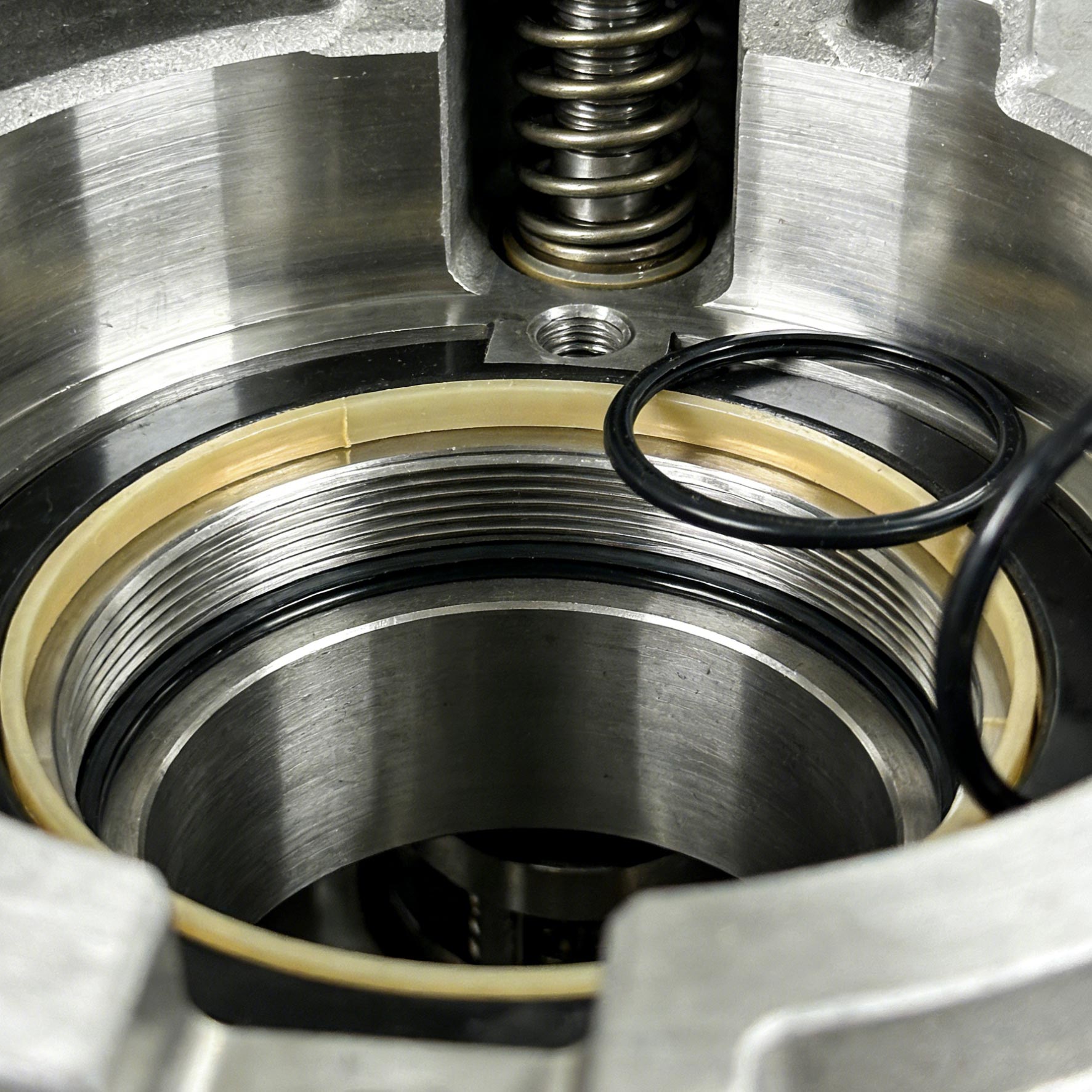
III. Selection Skills of Ultrafine Grinding Seals (Adaptation is King to Extend Service Life)
The selection of seals directly determines the sealing effect and service life. When selecting, it is necessary to comprehensively consider factors such as material, model and specification in combination with the working conditions of the ultrafine grinding, the characteristics of the processed materials and the sealing parts, so as to avoid seal leakage caused by improper selection. The following are practical selection skills in the industry, covering different scenarios, helping enterprises select accurately.
(I) Core Selection Principles: Adapt to Working Conditions, Balance Performance and Cost
1. Material adaptation: The seal material must be matched with the processed materials, working temperature and pressure, which is the key to avoiding seal leakage; 2. Performance first: Prioritize seals with good sealing performance, wear resistance, aging resistance and corrosion resistance to reduce replacement frequency; 3. Specification matching: The model and size of the seal must be accurately matched with the equipment sealing part to avoid installation deviation; 4. Cost control: On the premise of meeting the sealing requirements, reasonably select seals to balance performance and cost, and avoid waste caused by excessive pursuit of high-end materials.
(II) Specific Selection of Seals in Different Scenarios (Precise Adaptation and Strong Practicability)
|
Application Scenarios
|
Recommended Seal Material
|
Selection Points
|
Applicable Equipment Parts
|
|---|---|---|---|
|
Ordinary powder (quartz, calcium carbonate, etc., normal temperature and pressure)
|
Nitrile Butadiene Rubber (NBR), Polyurethane (PU)
|
High cost performance, wear resistance, dust resistance, suitable for normal temperature and pressure working conditions, stable sealing performance
|
Feed inlet, discharge outlet, casing connection
|
|
Corrosive materials (acids, alkalis, chemical raw materials)
|
Fluororubber (FKM), Polytetrafluoroethylene (PTFE)
|
Corrosion resistance, chemical medium resistance, avoiding corrosion and damage by materials, long service life of seals
|
Grinding cavity, transmission shaft sealing part
|
|
High-temperature working conditions (working temperature > 120℃)
|
Fluororubber (FKM), Silicone Rubber (VMQ)
|
High temperature resistance, aging resistance, can still maintain good sealing performance in high temperature environment, no hardening or cracking
|
Sealing parts of equipment for high-temperature material grinding
|
|
High-pressure working conditions (cavity pressure > 0.3MPa)
|
Polytetrafluoroethylene (PTFE), Metal Wound Seals
|
Strong pressure resistance, close fit of sealing surface, can bear high-pressure impact, avoid leakage
|
Transmission shaft and cavity seal of high-pressure ultrafine grinding
|
|
High-precision sealing (pharmaceutical, food, semiconductor-grade materials)
|
Food-grade Fluororubber, Polytetrafluoroethylene (Food-grade)
|
Odorless, no precipitation, in line with food and pharmaceutical industry standards, high sealing precision, avoiding material pollution
|
Sealing parts of special ultrafine grinding for medicine and food
|
(III) Selection Notes (Avoid Misunderstandings and Improve Sealing Effect)
-
Avoid blindly pursuing high-end materials: Different working conditions have different requirements for seals. Nitrile butadiene rubber can be used for ordinary normal temperature and pressure working conditions, and there is no need to choose high-priced fluororubber to reduce costs.
-
Confirm seal specifications: Before selection, accurately measure the size of the sealing part (inner diameter, outer diameter, thickness) to ensure that the seal is accurately matched with the equipment, avoiding looseness or excessive tightness after installation.
-
Choose products from regular manufacturers: High-quality seals have uniform materials and exquisite craftsmanship, with stable sealing performance and long service life; inferior seals are prone to aging and damage, which will increase leakage risks and maintenance costs.
-
Select according to maintenance cycle: For sealing parts that are difficult to disassemble and maintain, prioritize seals with long service life (such as fluororubber and polytetrafluoroethylene) to reduce replacement frequency.
IV. Preventive Measures for Seal Leakage (Prevent Problems Before They Occur and Reduce Maintenance Costs)
Compared with post-processing, preventing seal leakage in advance can effectively reduce the frequency of equipment failures, reduce maintenance costs, and ensure continuous and stable production. Combining industry operation and maintenance experience, the following 4 preventive measures are summarized, which can be directly applied to daily equipment management of enterprises.
-
Establish a regular maintenance system: Regularly inspect, clean and lubricate the sealing parts of the ultrafine grinding to remove dust accumulation; set a replacement cycle of 3-6 months according to the seal material and working conditions, and replace the aging and worn seals in advance to avoid seal failure.
-
Standardize installation operations: When installing seals, strictly follow the equipment manual to ensure accurate installation position and uniform force; clean the sealing surface before installation to avoid dust and oil pollution; use the diagonal uniform tightening method when tightening bolts to ensure consistent force.
-
Control equipment working conditions: Avoid the equipment being in overload, over-temperature and over-pressure states for a long time, adjust equipment parameters to ensure that the working conditions meet the bearing range of the seals; regularly check the equipment vibration and timely handle problems such as rotor imbalance and bearing wear to reduce the impact of vibration on the seals.
-
Strengthen operator training: Train operators to master the identification methods of seal leakage, emergency treatment processes and daily maintenance skills, find leakage hazards in time, and avoid major losses caused by minor faults; standardize the operation process to avoid seal damage caused by improper operation.
V. Industry Case Reference: Seal Leakage Treatment Practice of a Quartz Enterprise
A large quartz processing enterprise had a transmission shaft seal leakage in its ultrafine grinding during production, with serious dust overflow, which not only polluted the workshop environment, but also reduced the purity of quartz powder and the product qualification rate. The enterprise’s operation and maintenance team successfully solved the leakage problem according to the following process:
1. Emergency shutdown and investigation of leakage causes: Disassemble the transmission shaft sealing part, find that the seal (nitrile butadiene rubber material) has aged and cracked, and a lot of quartz dust is attached to the sealing surface, and the bolt tightening force is uneven; 2. Targeted treatment: Clean the dust on the sealing surface, replace it with a fluororubber seal suitable for quartz materials, apply grease evenly, tighten the bolts in a diagonal way, adjust the installation position of the transmission shaft to reduce vibration; 3. Test run verification: Run idly for 30 minutes and load for 2 hours, confirm no dust overflow and good sealing effect; 4. Preventive measures: Establish a regular seal replacement system, inspect the sealing part every month, replace the fluororubber seal every 4 months, and strengthen equipment vibration monitoring to avoid re-leakage.
After treatment, the seal leakage problem of the enterprise’s ultrafine grinding was completely solved, the product qualification rate was increased to 99.6%, the dust emission met the standard, and the monthly equipment maintenance cost was reduced by more than 2,000 yuan, achieving the multiple goals of quality improvement, consumption reduction and compliance.
VI. Summary and Industry Suggestions
Seal leakage is a common problem in the operation and maintenance of ultrafine grinding. Its core causes are seal aging, installation deviation, improper working condition adaptation and insufficient maintenance. Enterprises need to accurately locate the cause of leakage, take targeted treatment methods, scientifically select seals according to working conditions and material characteristics, and establish a sound regular maintenance system to effectively avoid leakage hazards and ensure stable equipment operation.
At present, the ultrafine grinding industry is developing in the direction of refinement, high efficiency and environmental protection, and the requirements for equipment sealing performance are constantly improving. It is recommended that enterprises pay attention to the maintenance and upgrading of the sealing system in equipment operation and maintenance, give priority to high-quality seals suitable for working conditions, standardize the operation process, and integrate leakage prevention into daily management, so as to reduce maintenance costs, improve production efficiency, ensure product quality, and enhance core competitiveness. For complex leakage problems, contact the equipment manufacturer or professional operation and maintenance team to formulate personalized treatment schemes to avoid equipment damage caused by blind operation.