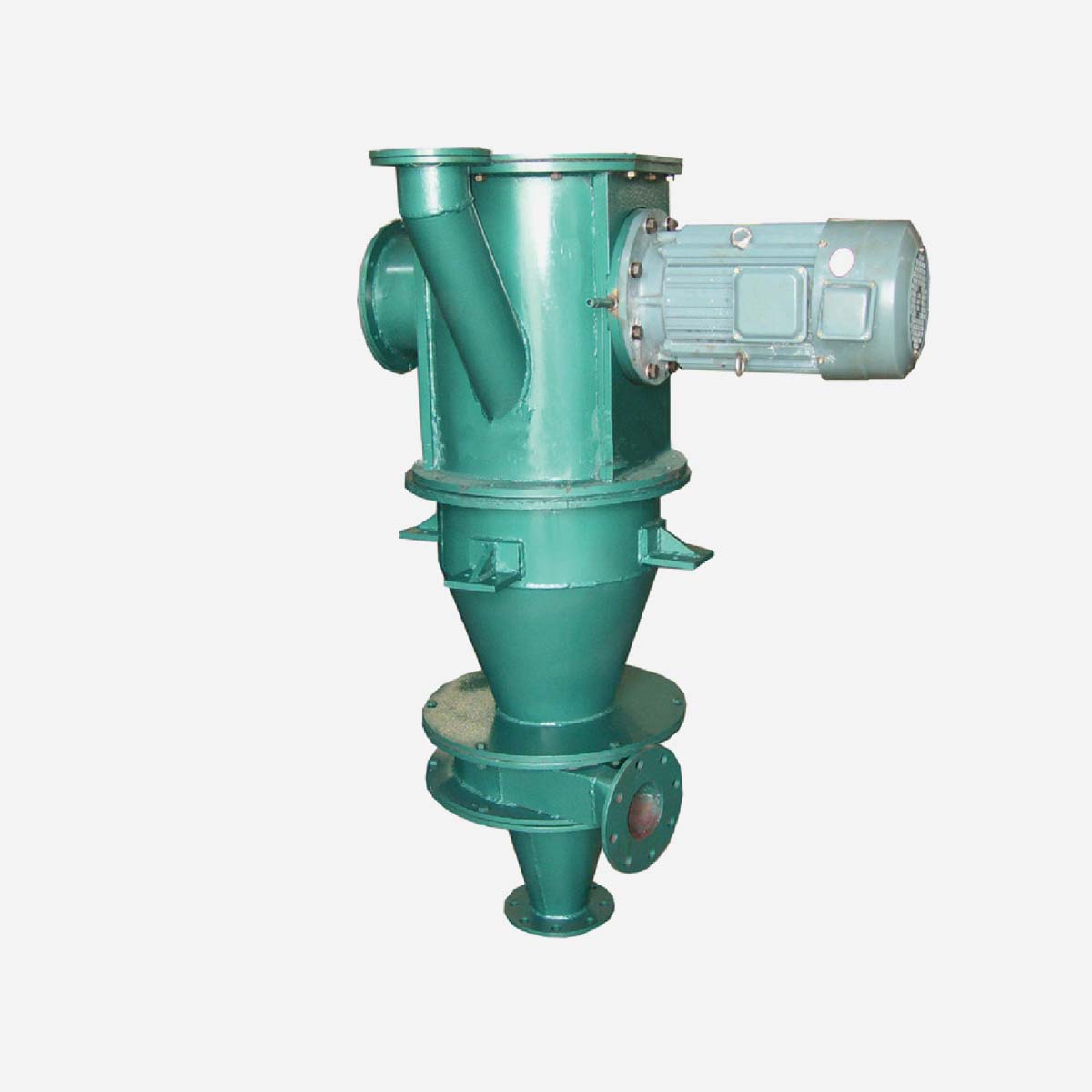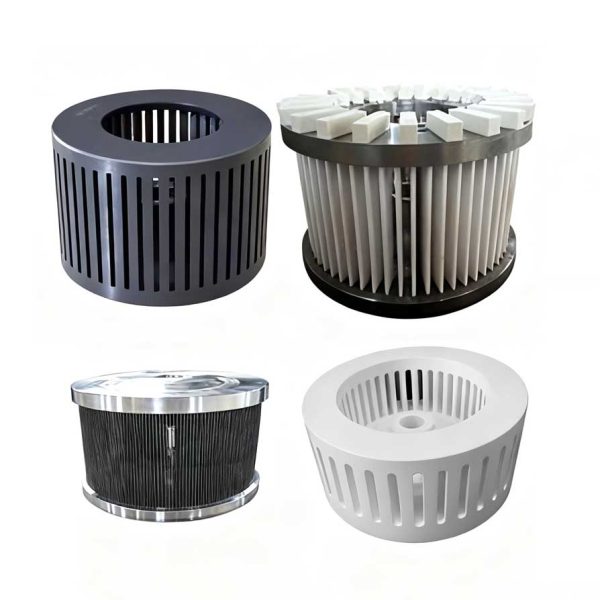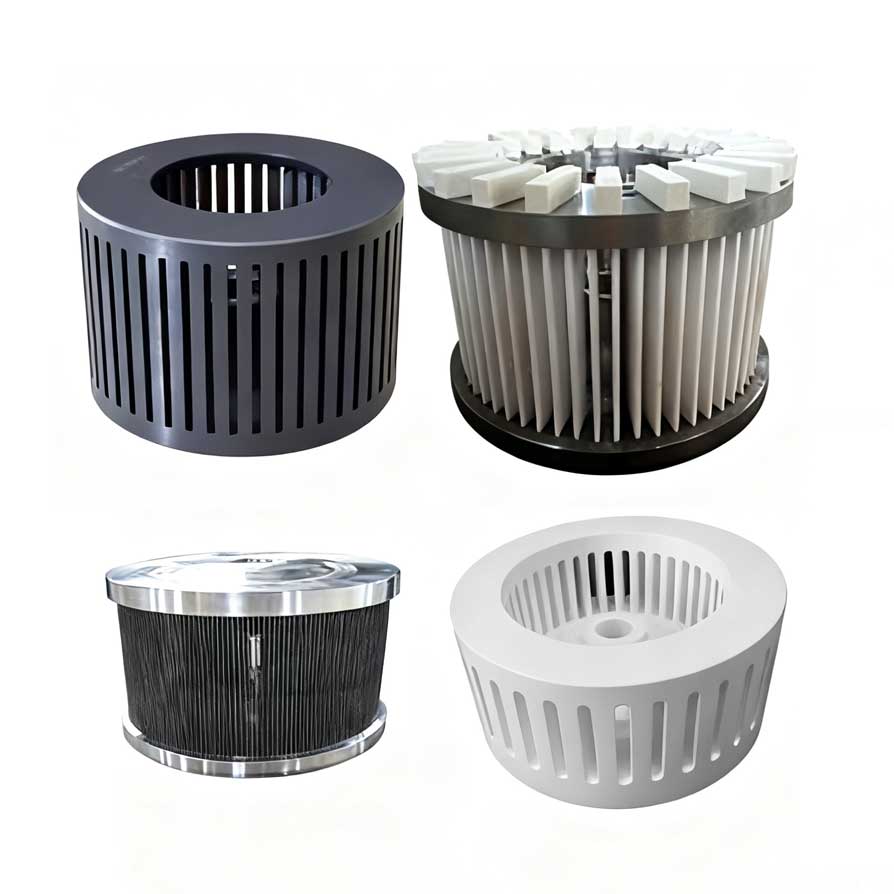
1. Basic Properties of Common Materials for Classifiers
- Carbon Steel (Q235, 45# Steel)
Low cost and moderate strength. Suitable for non-corrosive, low-wear and non-clean applications. Not resistant to acid and alkali, easy to rust. Not applicable to food, pharmaceutical and corrosive materials.
- Stainless Steel (304/316L/2205 Duplex Steel)
304: General-purpose, rust-proof and easy to clean, meeting conventional clean and weak corrosion requirements;
316L: Molybdenum-containing, resistant to chloride ions, acid and alkali, and damp heat, suitable for pharmaceutical, chemical and seawater environments;
2205 Duplex Steel: Excellent wear and corrosion resistance, with hardness 2–3 times that of 304, suitable for high-wear and corrosive conditions.
- Engineering Plastics (PP/PE/Nylon/PTFE)
Lightweight, anti-metal contamination, resistant to weak acid and alkali, non-sticky. Suitable for non-metallic contact and low-wear clean applications.
- Wear-resistant Ceramics (Alumina/Zirconia), Polyurethane, Wear-resistant Alloys
Ultra-high hardness and super wear resistance. Suitable for high-hardness powder, ore, sand and other highly abrasive materials, with service life far exceeding that of ordinary steel.
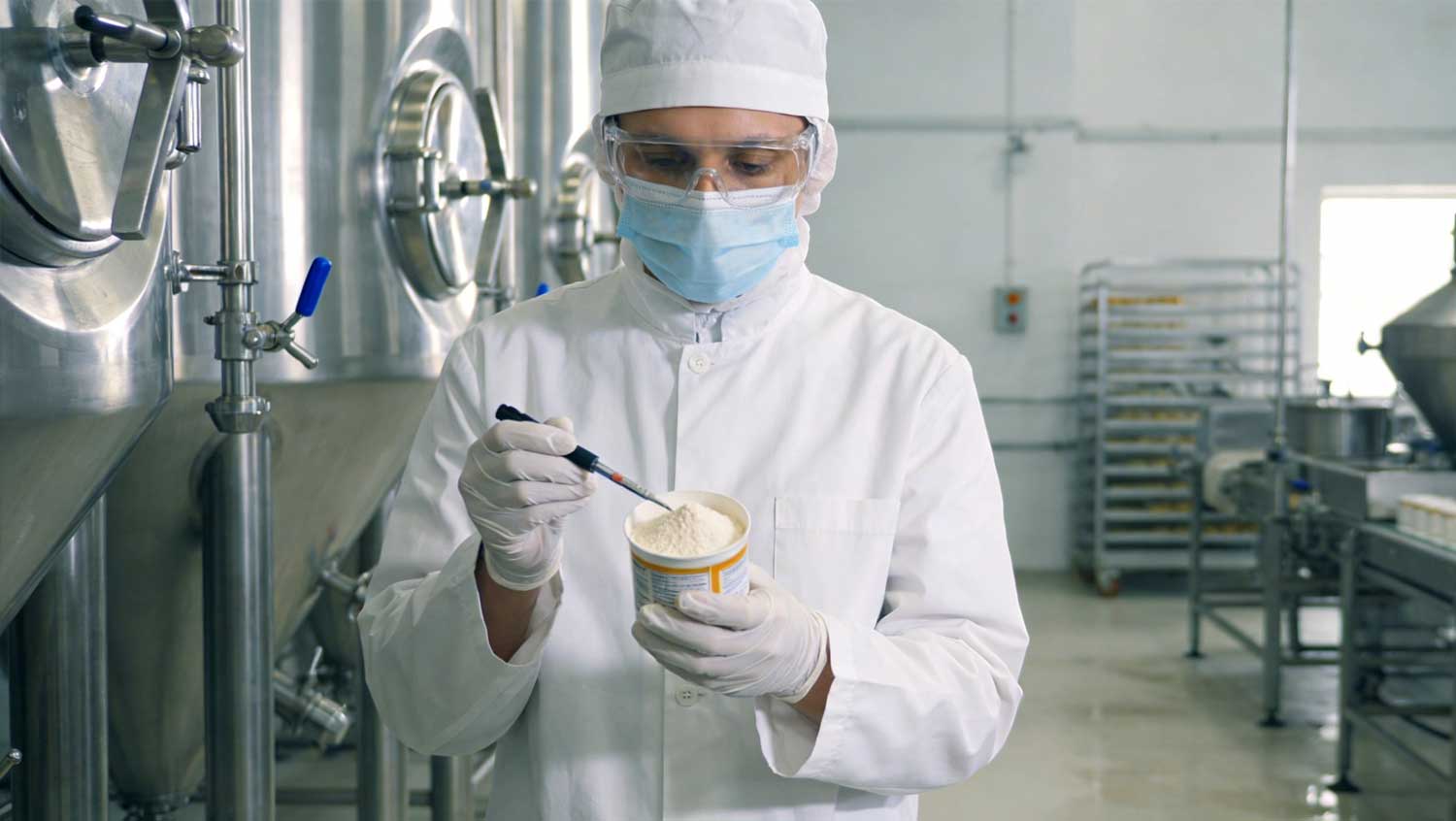
2. Food Industry: Hygiene, No Residue, Easy Cleaning and Compliance First
- Preferred Materials: 304 Stainless Steel (conventional food), 316L Stainless Steel (high-humidity, salt-containing, acidic materials)
- Key Requirements
- Internal and external mirror polishing, roughness Ra ≤ 0.8μm, non-sticky and no material accumulation;
- Welds polished and ground, no sanitary dead corners, meeting CIP/SIP online cleaning and disinfection;
- Carbon steel, ordinary paint and non-food-grade plastics are prohibited to avoid contamination from rust and harmful substances.
- Typical Applications: Sugar powder classification, starch impurity removal, milk powder particle size separation, condiment fine classification.
3. Pharmaceutical Industry: GMP Compliance, Anti-contamination and High Cleanliness
- Preferred Materials: 316L Stainless Steel (mainstream), electrolytic polished 316L, PTFE coating/liner
- Core Requirements
- No precipitation or shedding of materials, no reaction with pharmaceutical ingredients;
- Clean design of the whole machine, easy disassembly and assembly, easy sterilization, meeting ISO Class 7–8 clean room requirements;
- Mirror polishing and dead-angle-free structure are preferred; porous and easily adsorptive materials are prohibited.
- Typical Applications: Fine classification of APIs, purification of traditional Chinese medicine powder, particle size control of preparation powder.
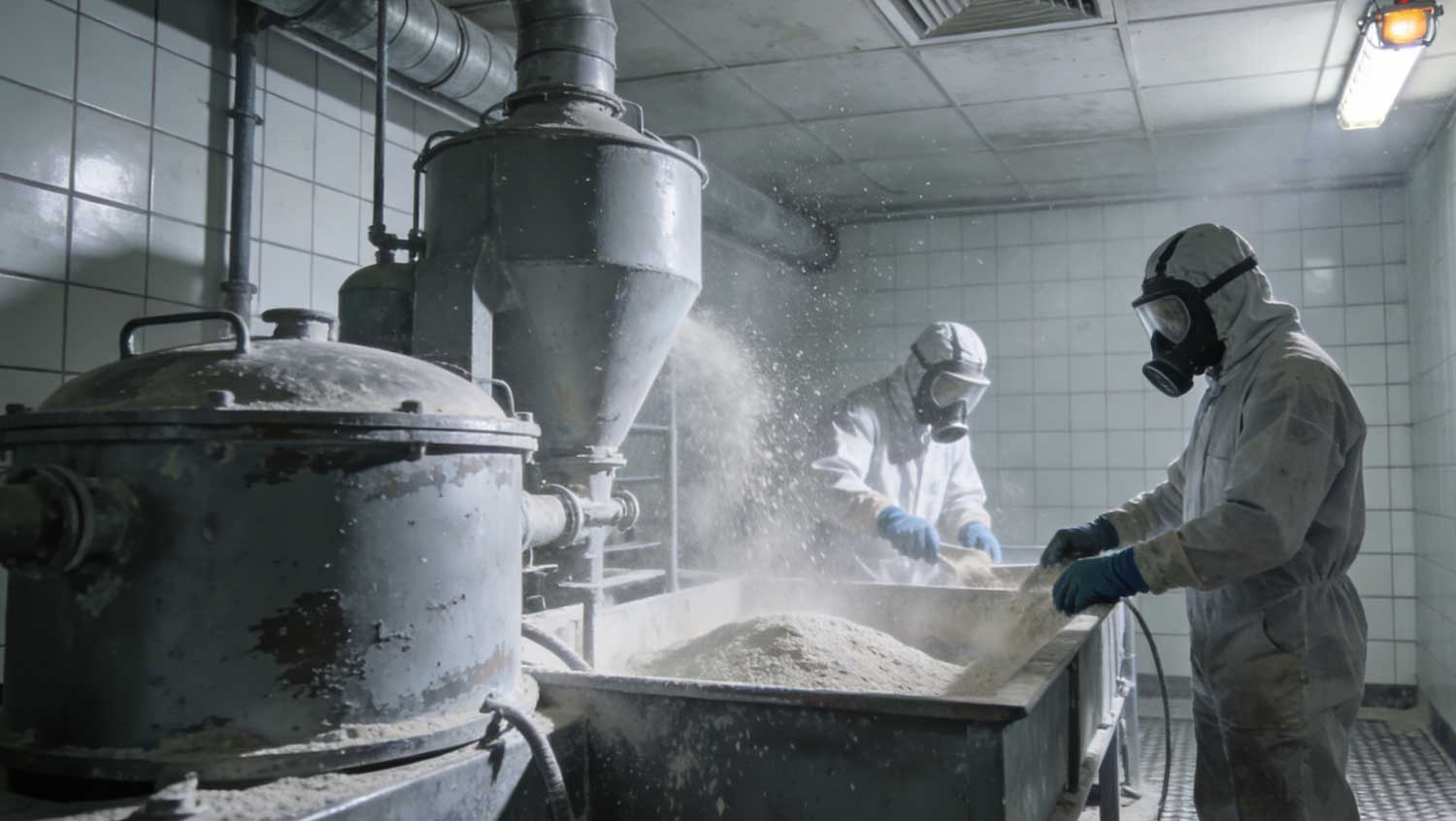
4. Chemical Industry: Acid and Alkali Corrosion Resistance and Anti-material Contamination
- Material Selection
- Weakly corrosive/conventional powders: 304 Stainless Steel;
- Strong acid, strong alkali, chlorine-containing, organic solvents: 316L Stainless Steel, Hastelloy, PTFE lining;
- Anti-metal contamination/sensitive chemical materials: Food-grade PP, PE plastic classifiers.
- Key Points: Avoid chemical reactions between materials and equipment, preventing equipment leakage and material scrapping caused by corrosion.
5. Mining/Sand/Building Materials Industry: Super Wear Resistance and Impact Resistance
- Preferred Materials
- Chamber/Liner: Wear-resistant ceramics, polyurethane, wear-resistant alloys;
- Classifying Wheel/Key Components: 2205 Duplex Steel, Silicon Carbide Ceramics, High Manganese Steel;
- Low-cost general applications: Carbon steel + wear-resistant coating.
- Core Requirements: High impact resistance and high wear resistance to extend service life and reduce downtime and replacement costs.
6. Metallurgy/Metal Powder Industry: Wear Resistance + Corrosion Resistance + High Precision
- Preferred Materials: 316L Stainless Steel, ceramic coating, hard nickel alloy, zirconia ceramic parts
- Key Requirements: Prevent mixing of metal impurities, ensure powder purity and particle size accuracy, and adapt to inert gas protection conditions.
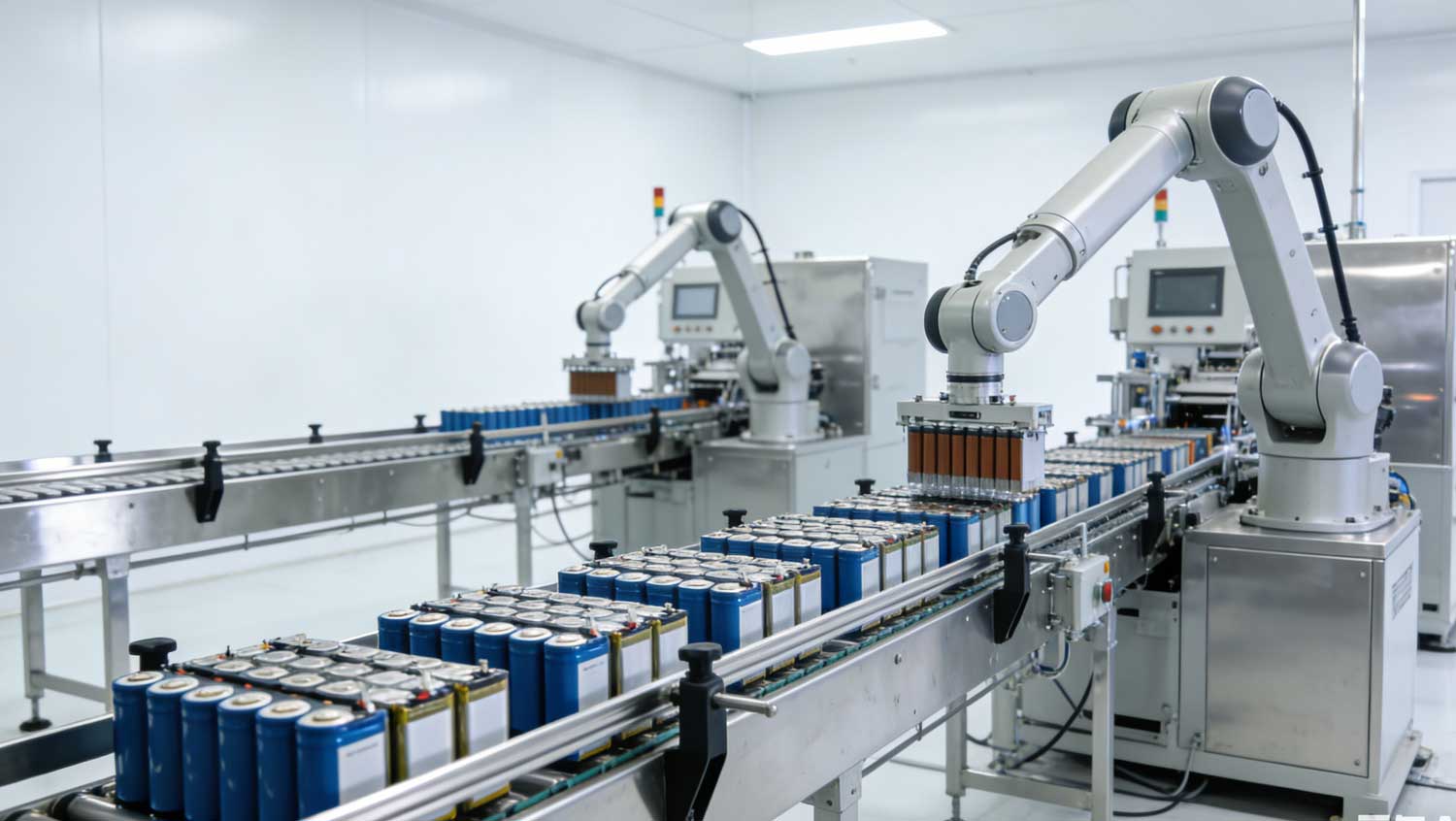
7. New Energy/Lithium Battery/Ceramics Industry: High Purity and Ultra Wear Resistance
- Preferred Materials: High-purity alumina/zirconia ceramics, 316L Stainless Steel, PTFE liner
- Core Requirements: No metal ion precipitation, ultra-high wear resistance, no material contamination, adapting to high-purity production standards.
8. General 5-step Judgment Method for Classifier Material Selection
- Check the Material: Whether it is corrosive, high-hardness, hygienic, or anti-metal contamination;
- Check the Environment: Normal temperature/high temperature, high humidity/dry, indoor/outdoor, coastal (chloride ions);
- Check the Standards: FDA/food grade for food, GMP for pharmaceuticals, corrosion protection specifications for chemicals;
- Check the Cost: Carbon steel for low wear and low cost, 304 for general clean use, 316L for strong corrosion, ceramics/polyurethane for high wear;
- Check the Structure: Polishing, no dead corners, easy cleaning and maintenance, adapting to production processes.