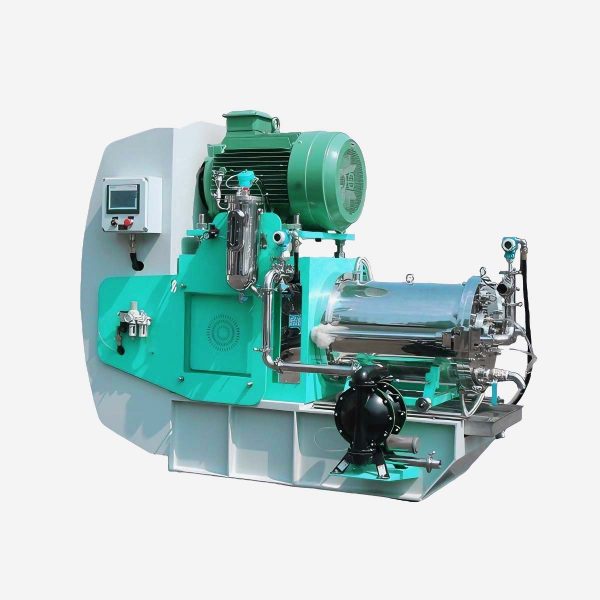
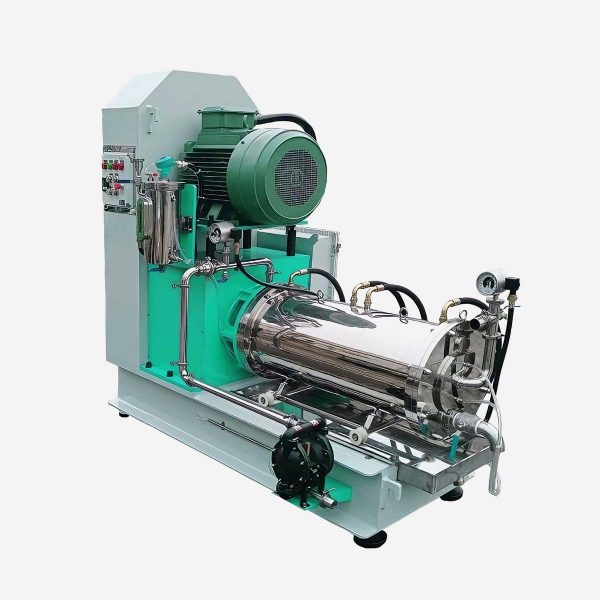
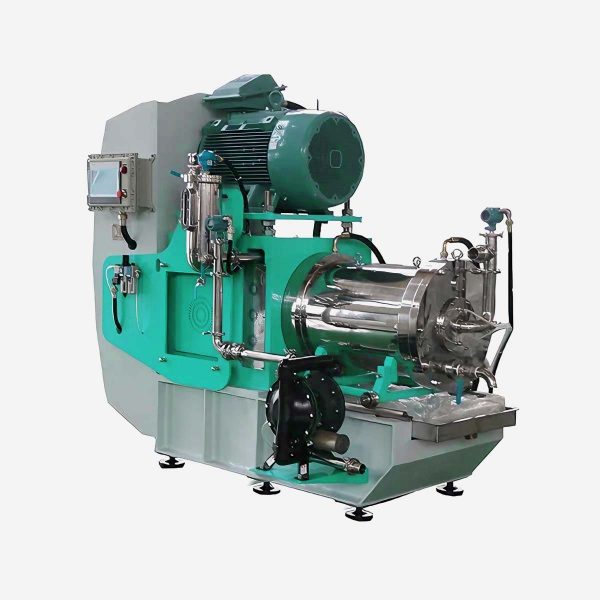
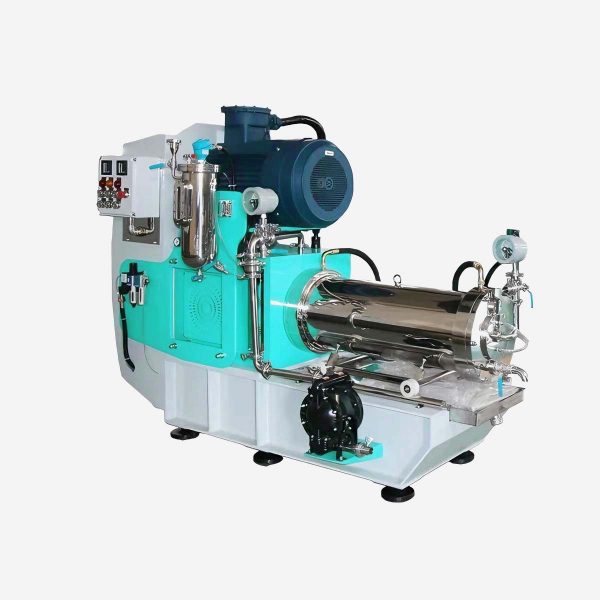
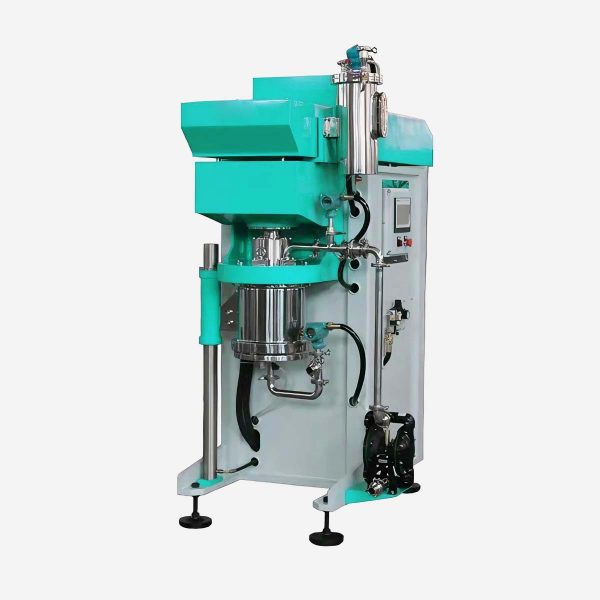
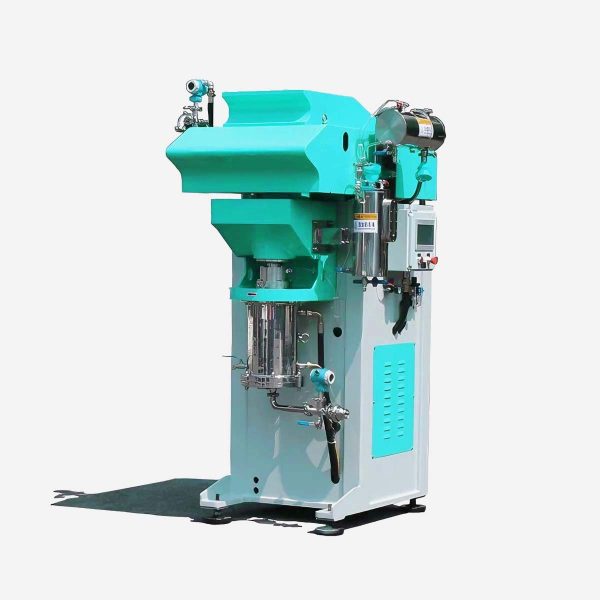
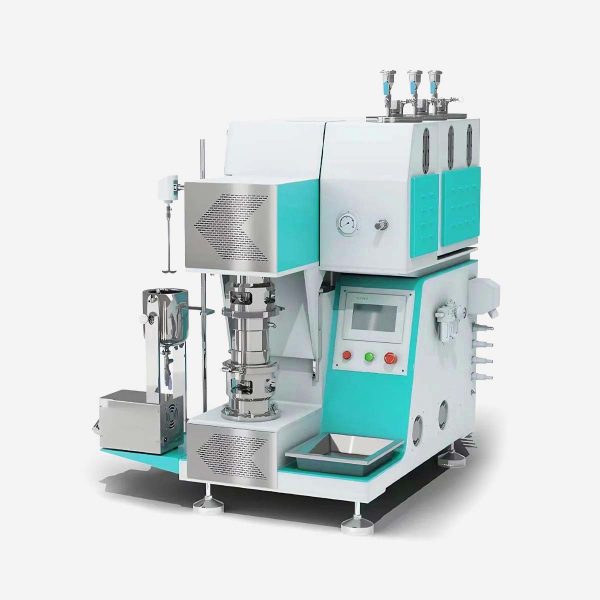
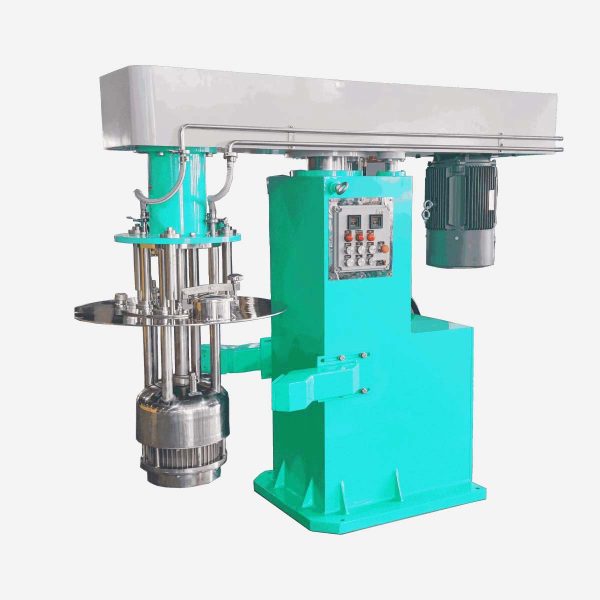
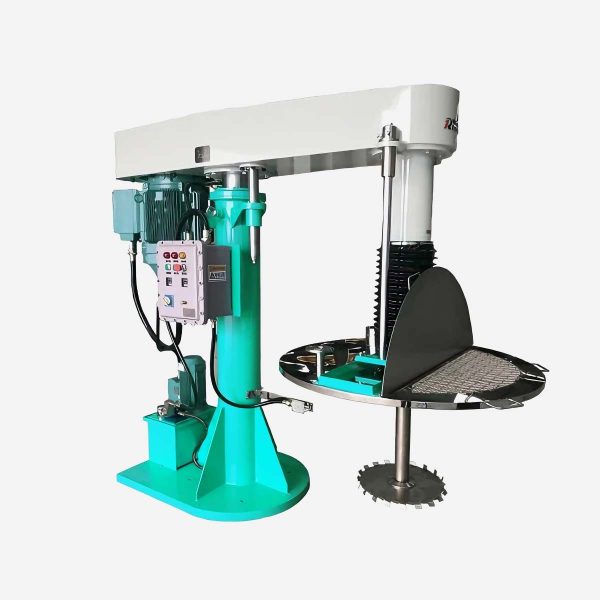
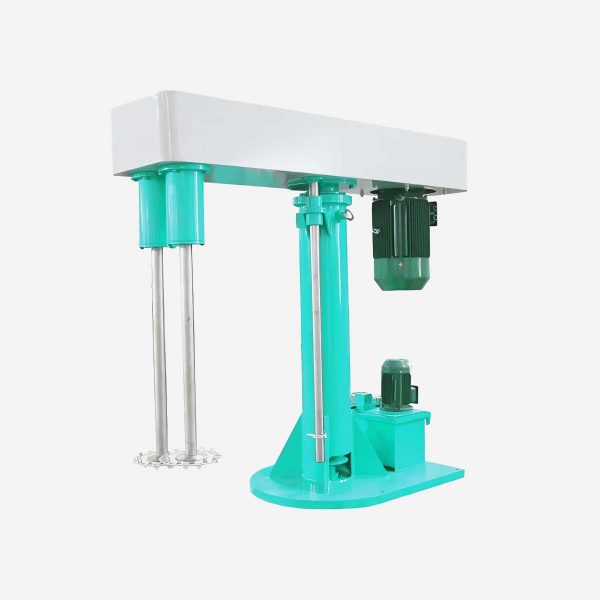
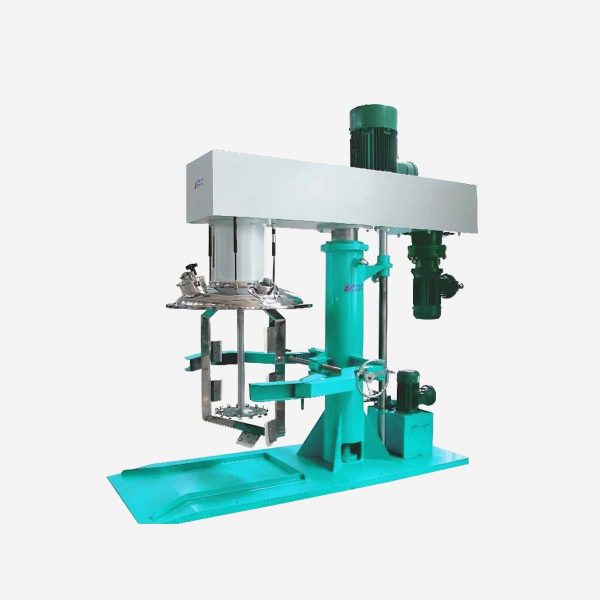
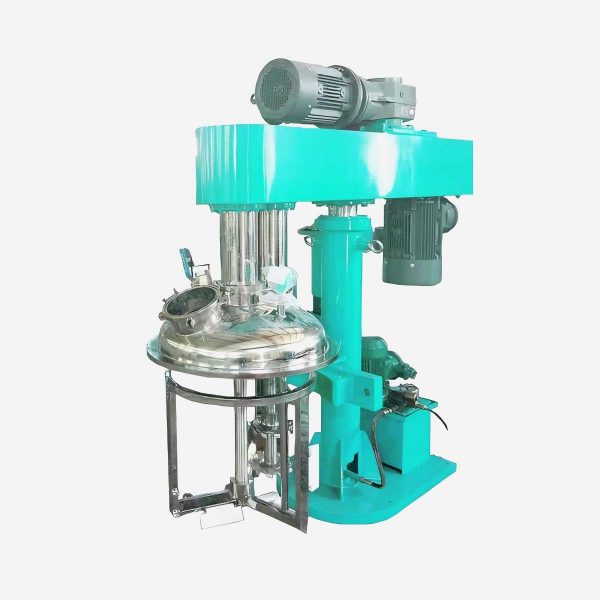
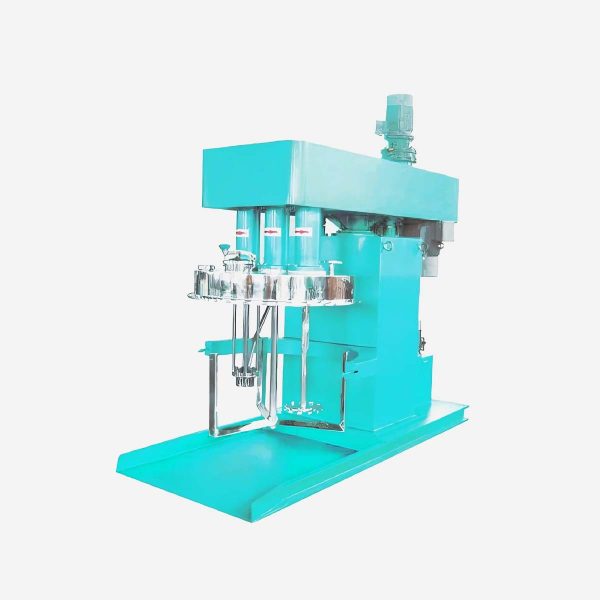
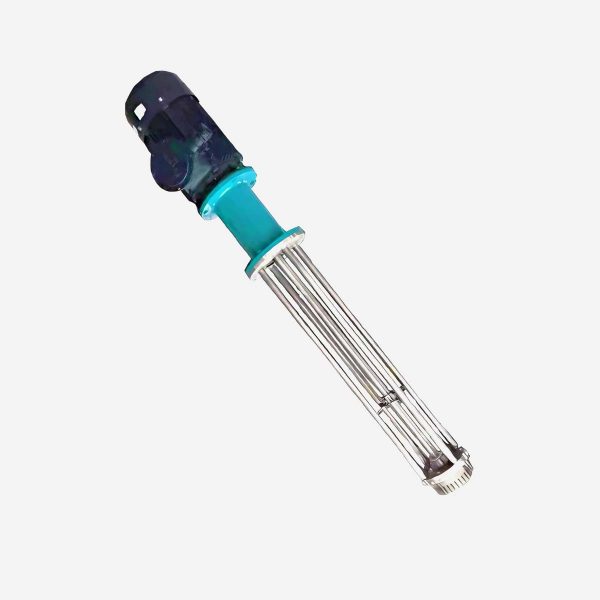
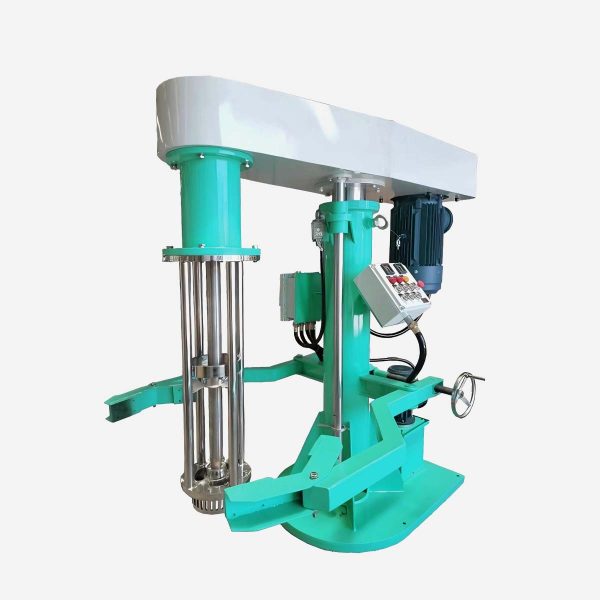
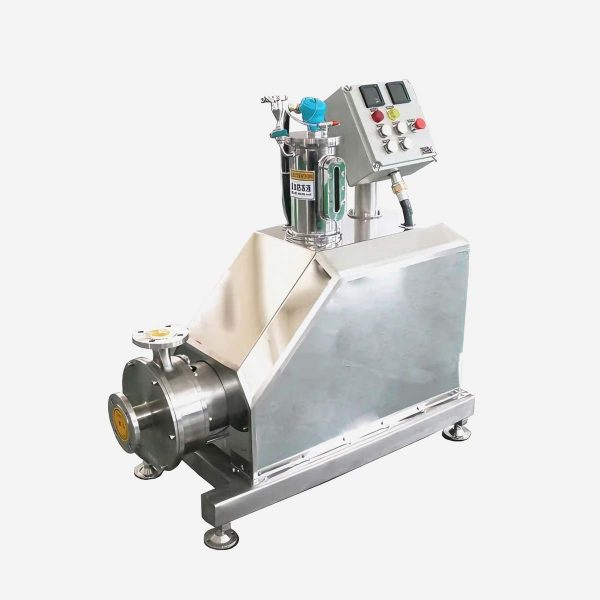
Wet Grinding, Dispersion, Agitation, Emulsification

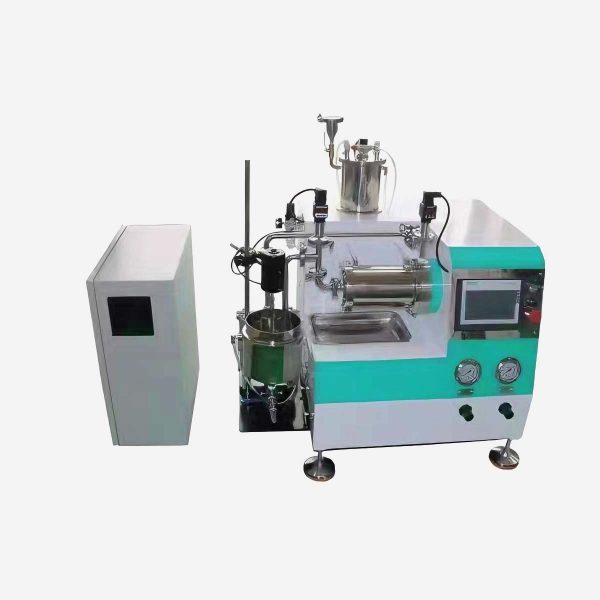
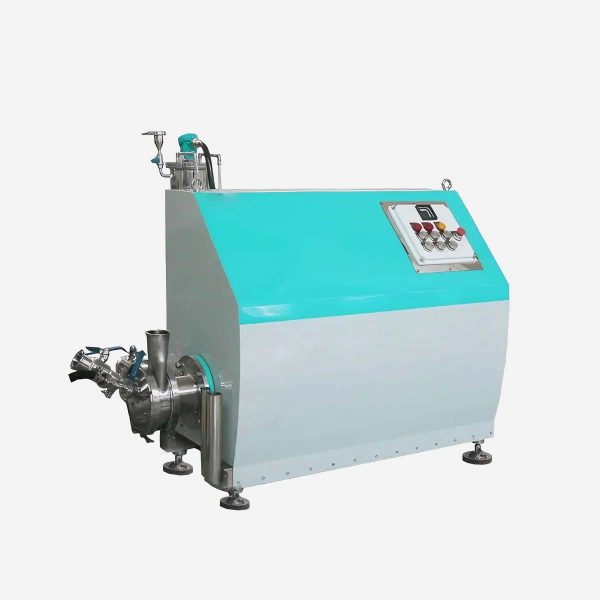
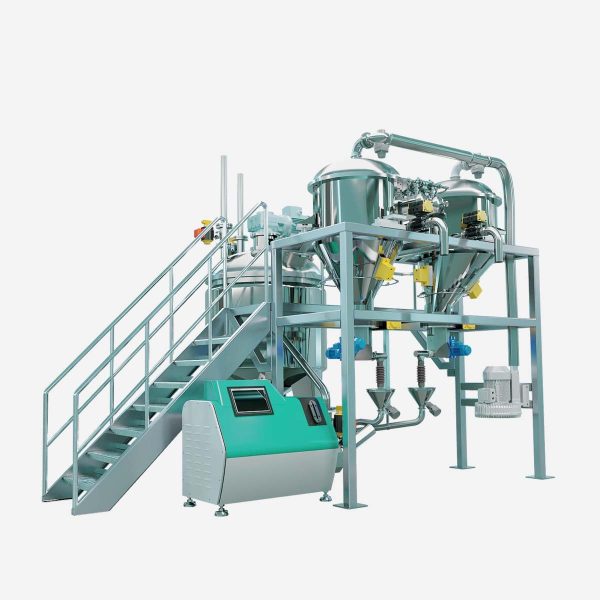
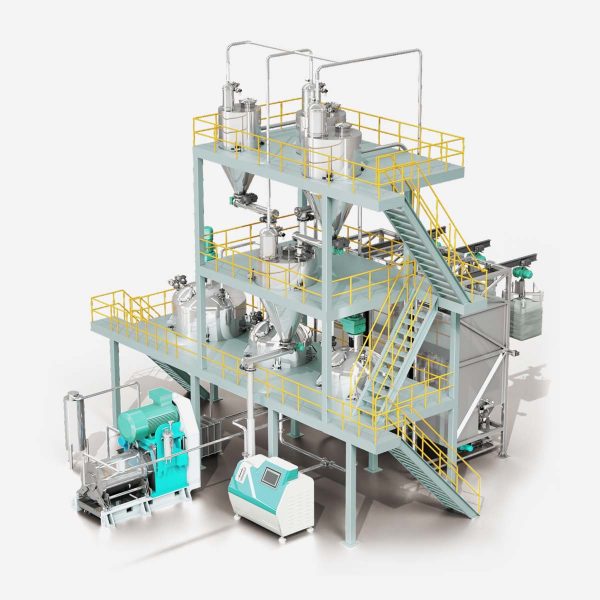
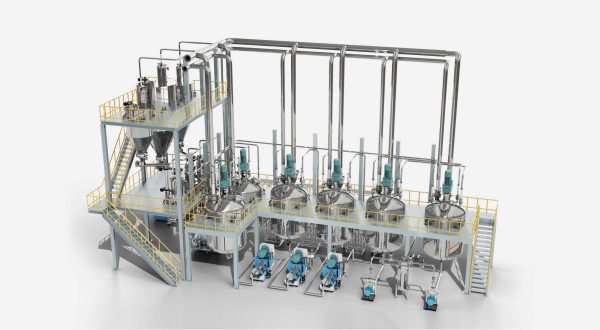
Wet grinding uses grinding media’s impact and shearing force to refine materials to micron or nanometer scale, with uniform particle size and high purity. Dispersion, mixing and emulsification processes function together to meet refined preparation needs of complex materials.

arrow_downward

We provide customized equipment

suitable for a variety of materials
Filter
Reset

How can we improve the effect

of Wet Grinding, Dispersion, Agitation, Emulsification
Optimize Media and Parameters for Wet Grinding

For wet grinding, high-hardness and low-wear media such as zirconia beads should be selected. Choose specifications of 0.1–2.0 mm according to the target particle size, and control the filling rate between 70% and 85%. Meanwhile, adjust the grinding speed to 70%–90% of the critical speed and control the feeding rate to ensure that materials are fully subjected to impact and shearing in the chamber, refined to the micron or nanometer level, and the uniformity of particle size is improved.

Strengthen Anti-Agglomeration Measures in Dispersion Process

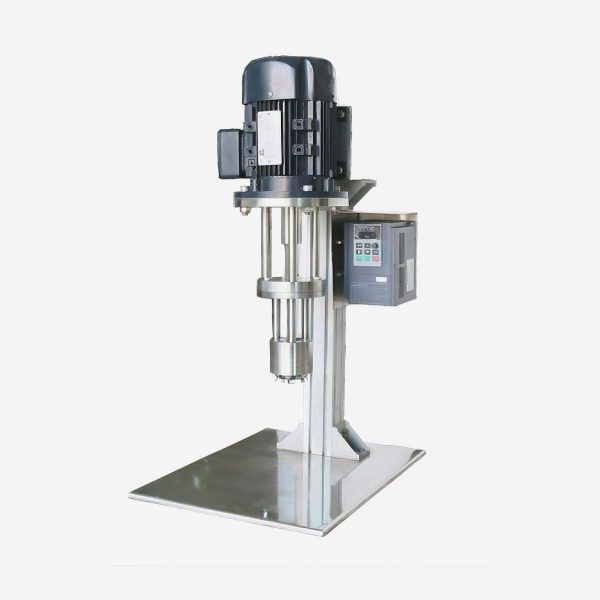
The core of dispersion is to break particle agglomeration. It is necessary to give priority to high-speed shear dispersers and match them with suitable dispersants. Preprocess materials before dispersion to break up large agglomerates, control the solid content and viscosity of the system, and avoid excessively high viscosity hindering the transmission of shear force. At the same time, reasonably set the dispersion time and speed to ensure that the dispersant is fully adsorbed on the particle surface and the stability of the system is improved.

Precisely Control Homogenization Conditions for Agitation

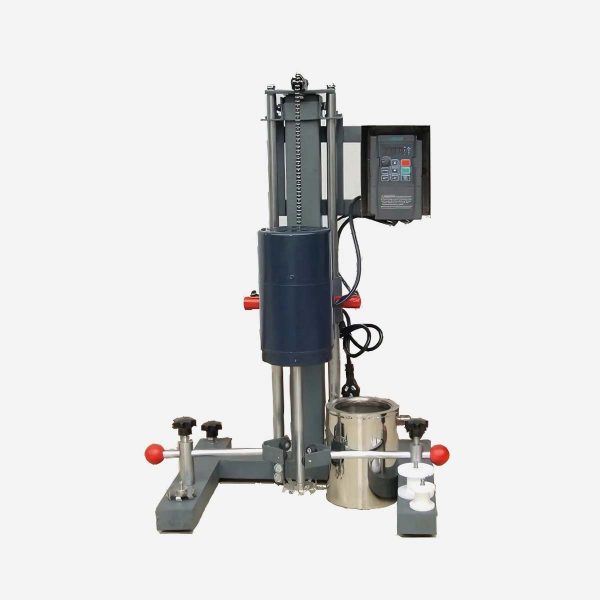
For agitation, corresponding impellers should be selected according to material characteristics, such as paddle impellers suitable for low-viscosity materials and anchor impellers for high-viscosity systems. Control the agitation speed and time to avoid uneven mixing due to too low speed, or material splashing and system temperature rise caused by too high speed. Adopt the method of layered feeding and step-by-step agitation to ensure the full integration of multi-component materials and achieve uniform system homogenization.

Enhance Phase Stability in Emulsification Process

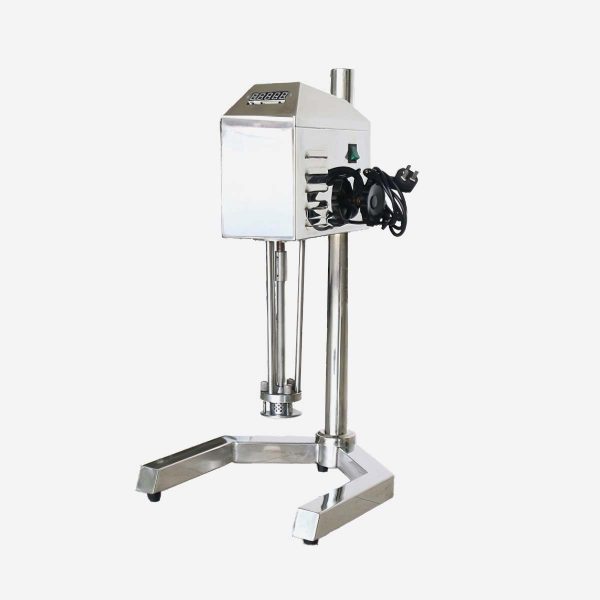
For emulsification, a shear emulsifier or homogenizing emulsifier should be selected. Clarify the feeding order of oil phase and water phase, and preferably add the oil phase to the water phase slowly (or vice versa). Match with suitable emulsifiers, adjust the HLB value and system temperature to ensure full contact between the two phases and form a stable interface film. Control the emulsification time and pressure to avoid delamination caused by insufficient emulsification and form a uniform and stable emulsion.

Take a look at our clients’ project sites

No results found.
access_time
1-2 Months Lead Time

With product quality firmly ensured, the time required to complete delivery is 1 to 2 months.

attach_money
Outstanding Cost Performance

Matching the consistent quality of German and Japanese brand products, ours comes at a price that’s only 1/3 of theirs.

engineering
Hassle-Free After-Sales Support

Should you encounter any issues during the production process, there’s no need to worry—we offer 24/7 assistance to address your concerns.

build
On-Site Installation & Training

We provide on-site support for equipment installation and debugging, along with thorough operation training to ensure smooth use.

全局代码(添加在网站的每一页body结束之前)