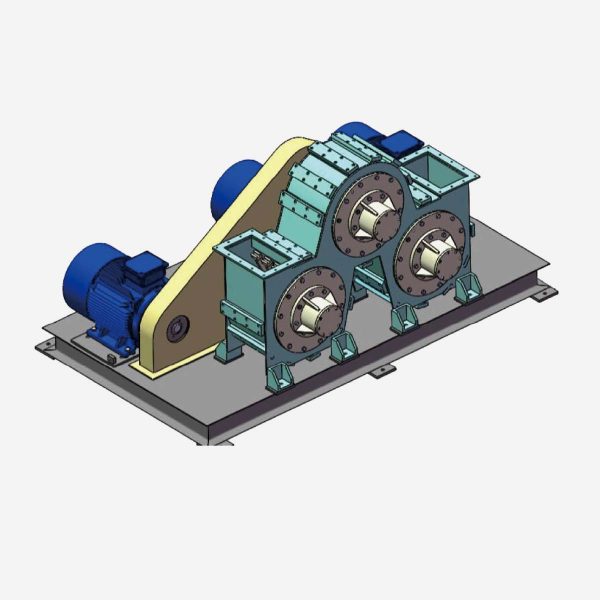
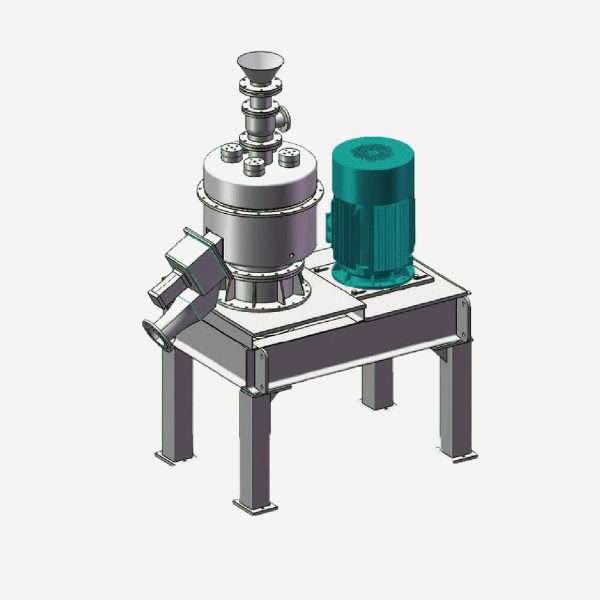
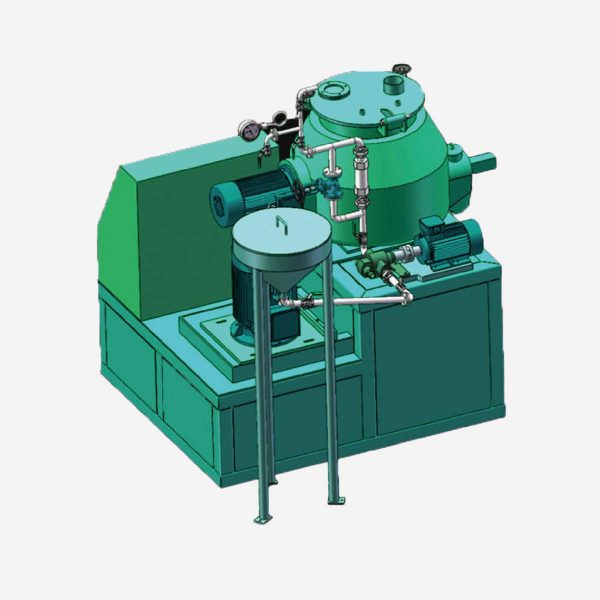
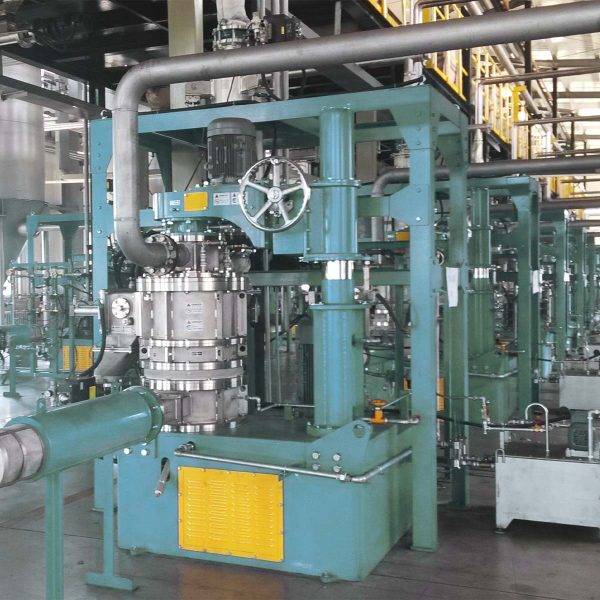
Particle surface modification and spheroidization is a technical process that treats the surface of particles using physical, chemical, mechanical, or other means. It alters the particles' surface chemical composition, structure, morphology, or energy state, thereby optimizing their surface properties (such as hydrophilicity/hydrophobicity, dispersibility, adsorptivity, and compatibility).
Its core purpose is to solve the problem of "mismatch between the inherent surface properties of particles and application requirements". For example, when natural mineral particles are hydrophilic but need to be used in oil-based systems, or when nanoparticles tend to agglomerate but require monodispersed use, surface modification and spheroidization can make the particles suitable for the target application scenarios, and ultimately improve the overall performance of the materials (such as the mechanical strength of composite materials, the stability of coatings, and the activity of catalysts).