Ball Mill And Air Classifier Production Line

categoryJBM

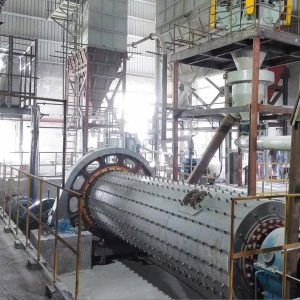
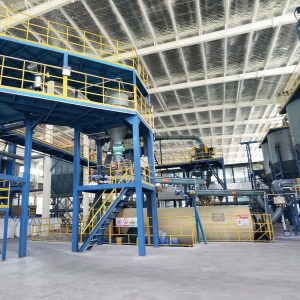
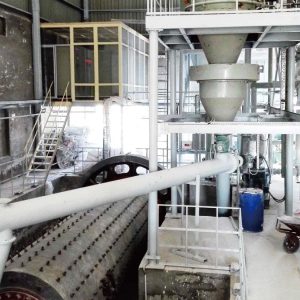
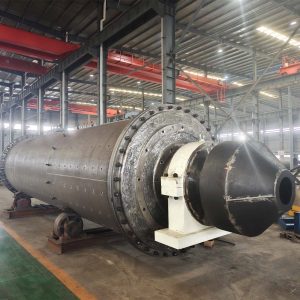
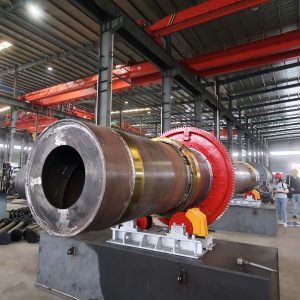
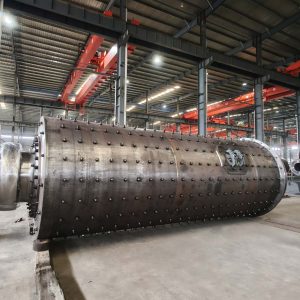
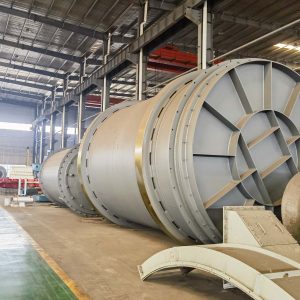
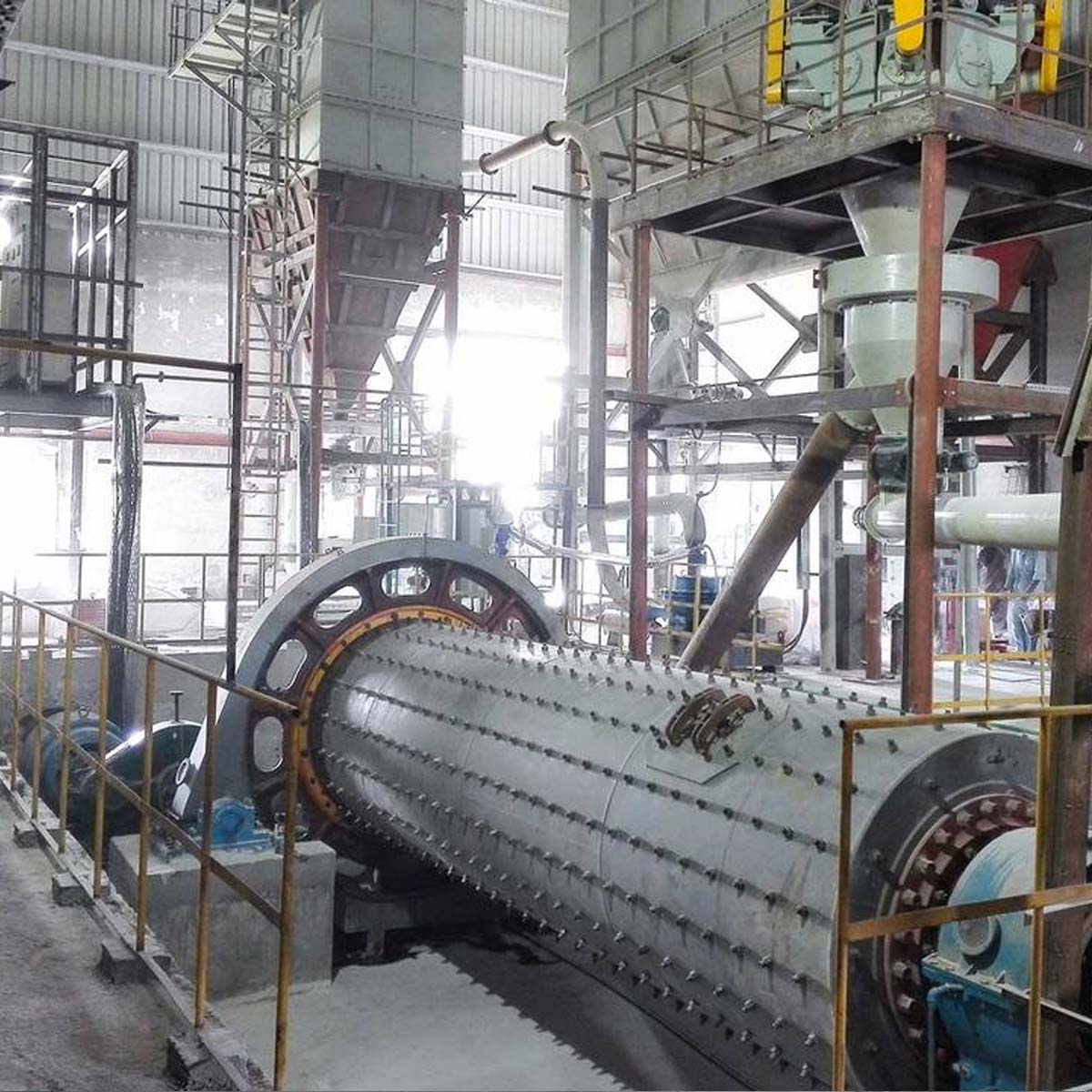
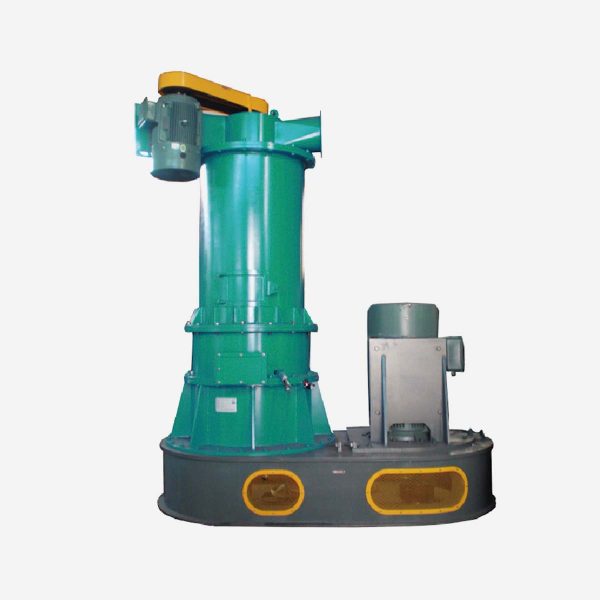
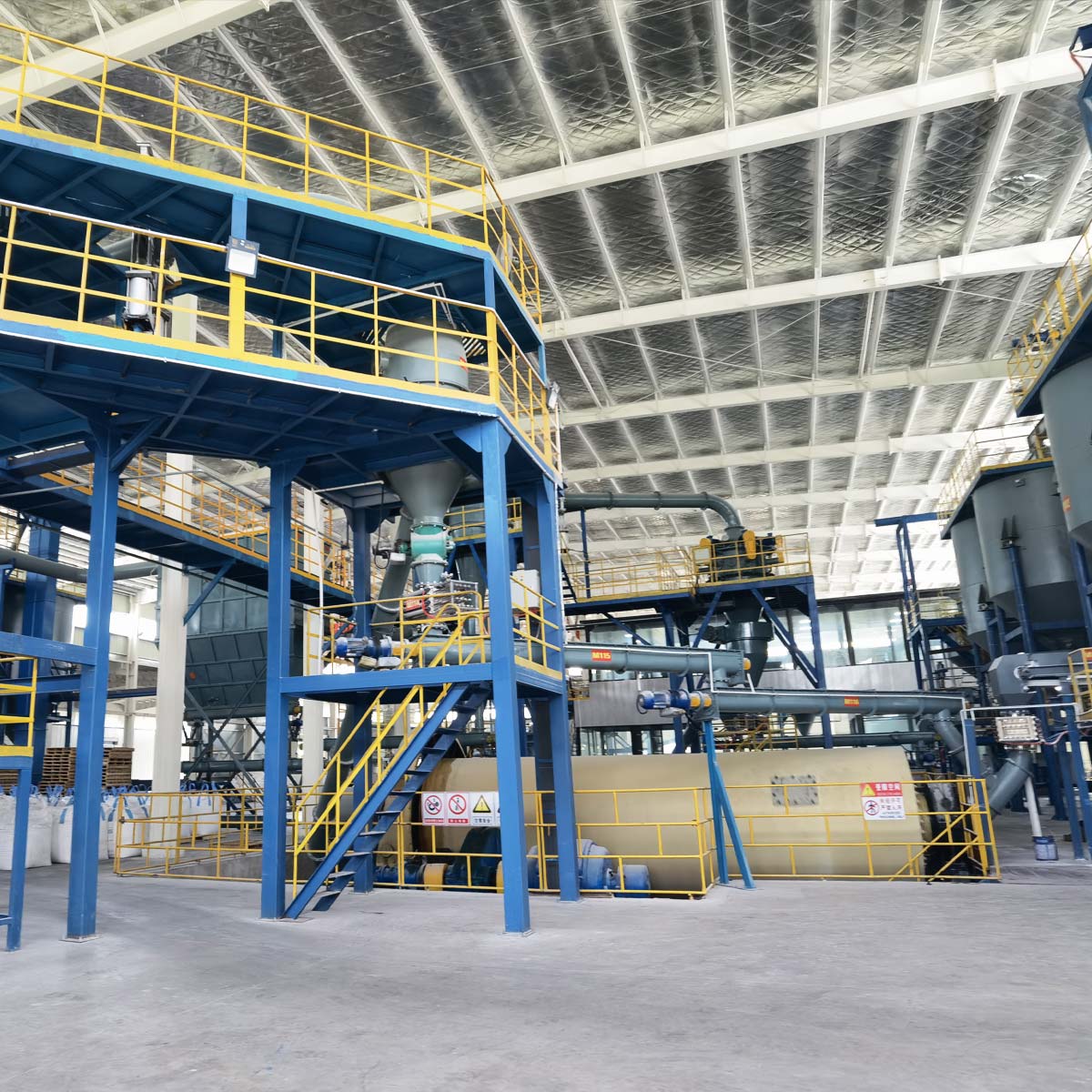
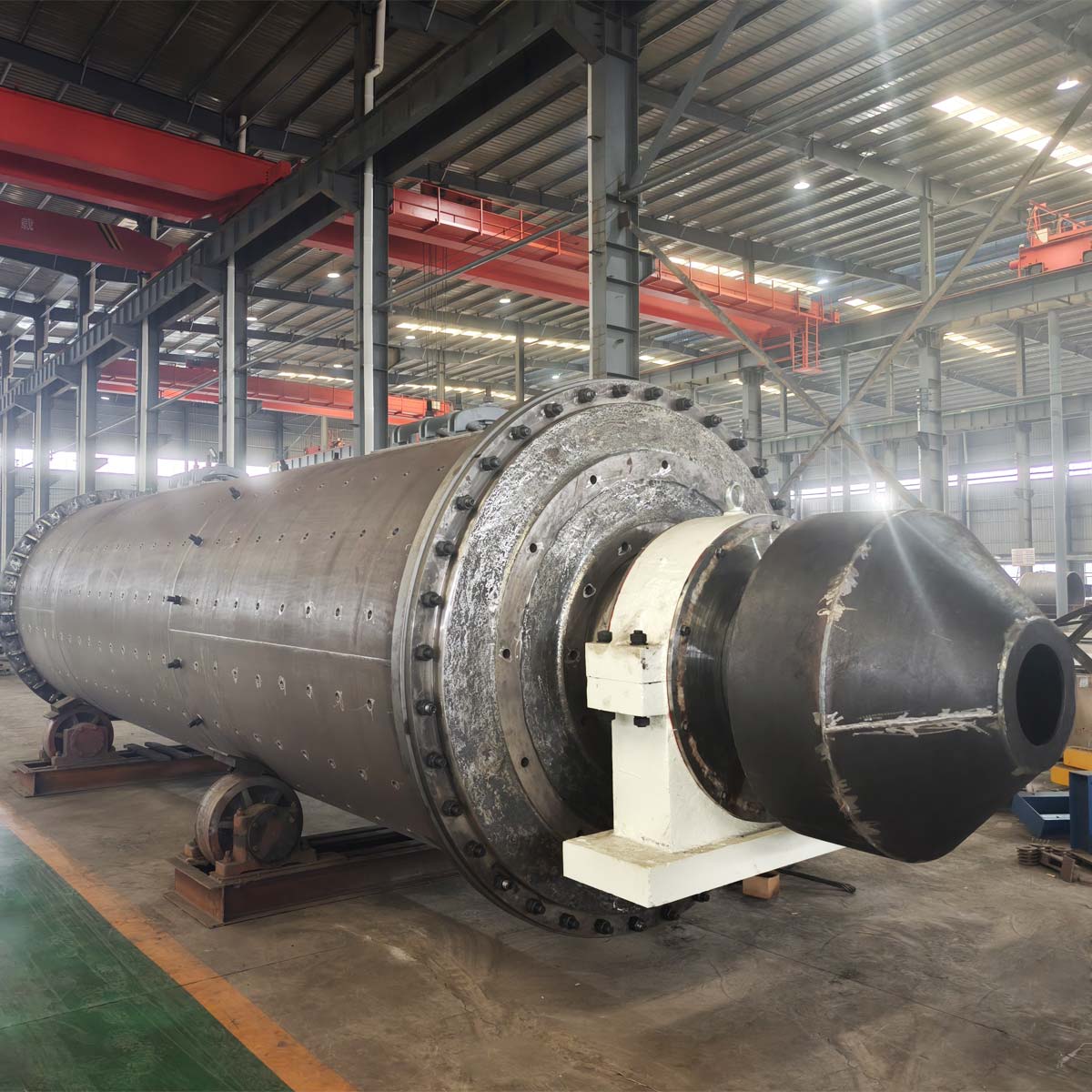
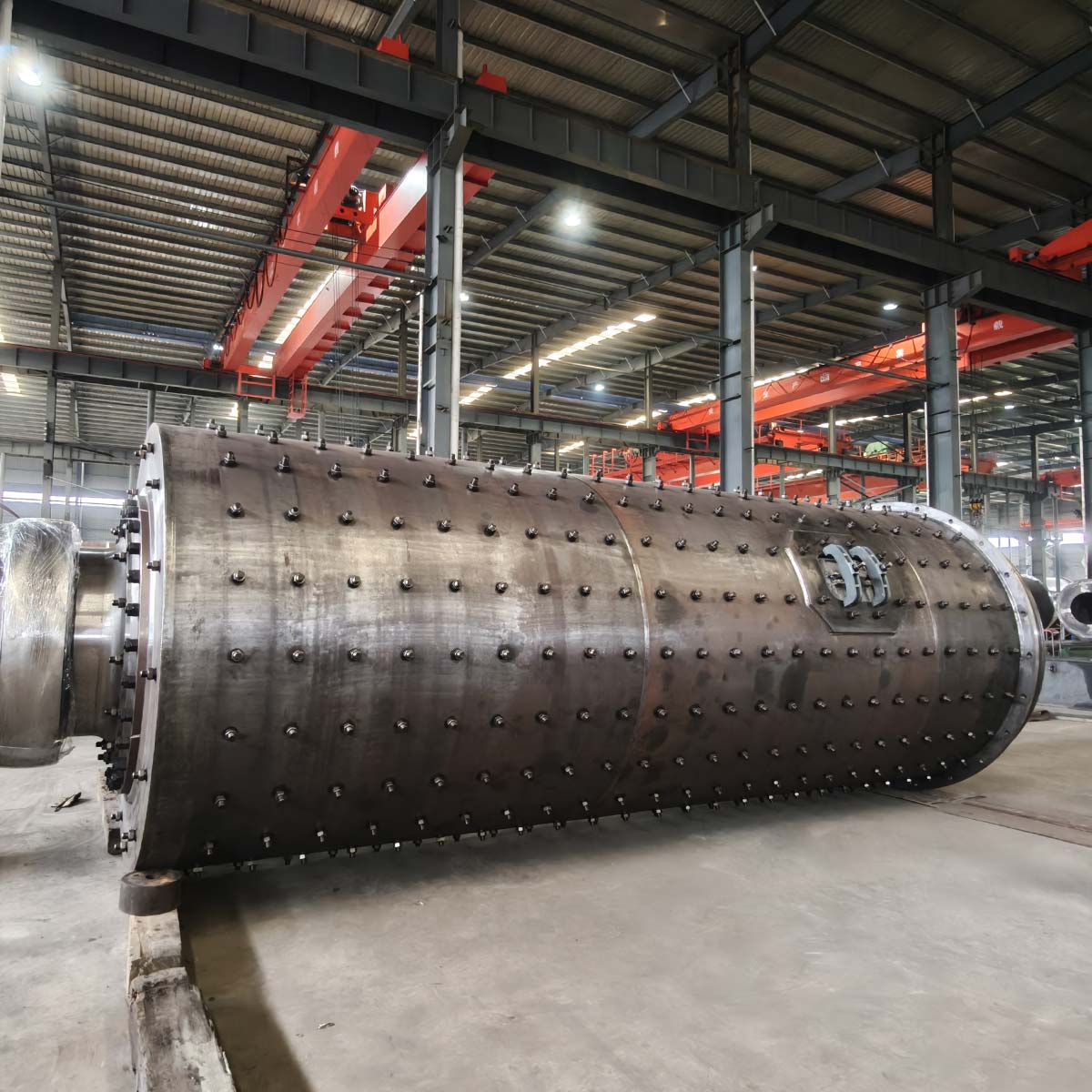
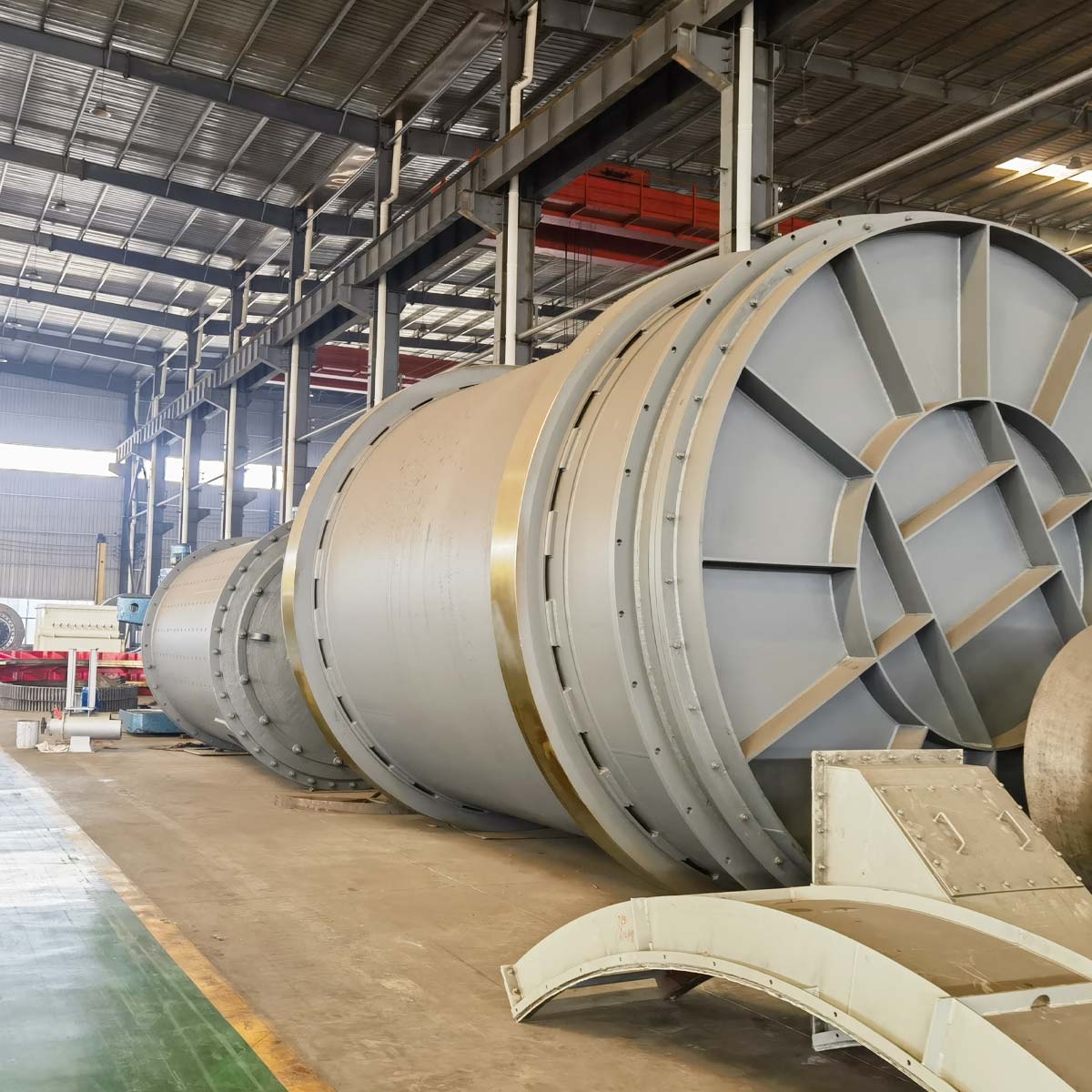
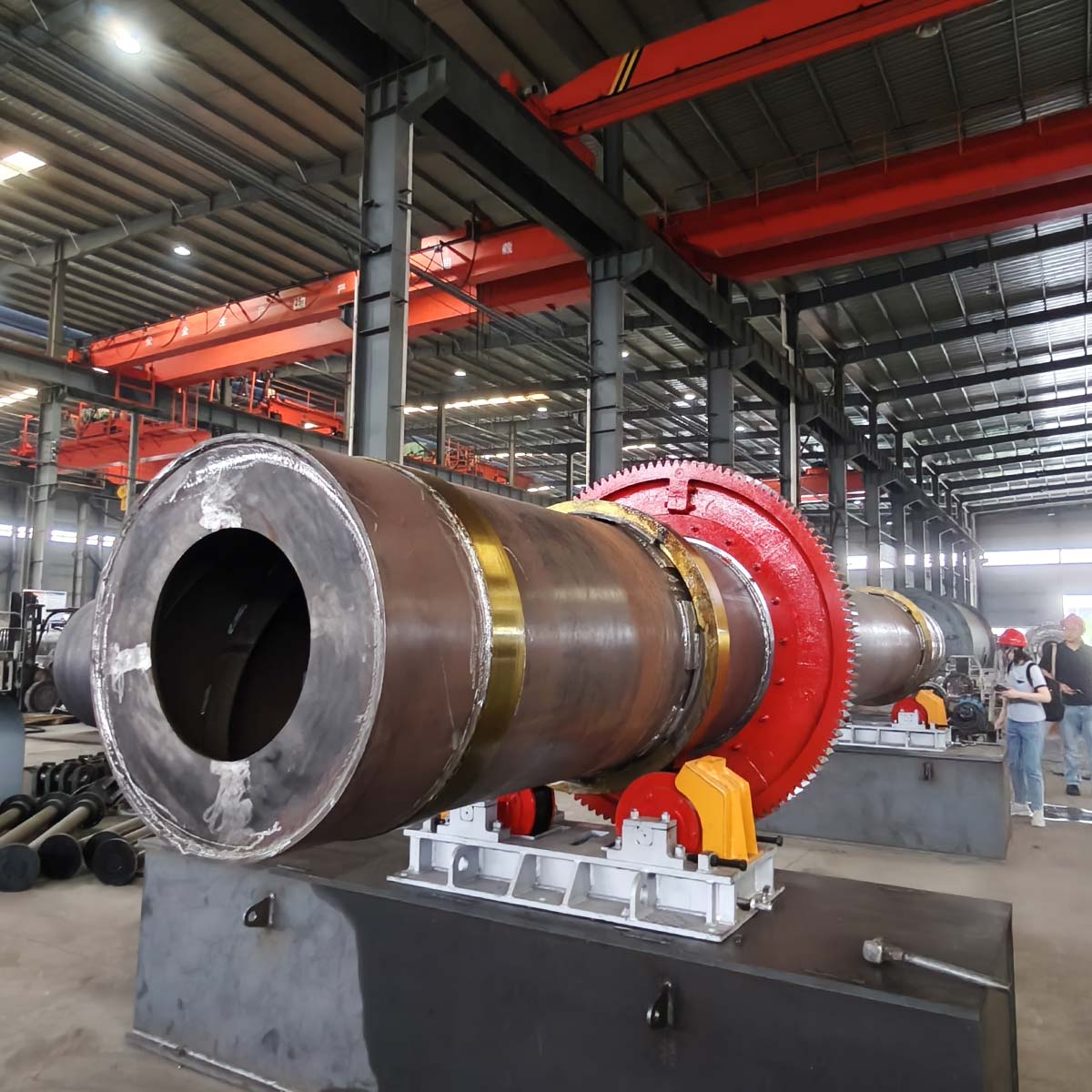
Ball mills are specially designed based on material hardness, grindability index, final particle size, and output requirements. Their technological process mainly includes crushing (usually two-stage crushing), grinding, classification, packaging, magnetic separation, conveying, and lifting, among other procedures. By adopting multiple classifiers in parallel or series configuration, several different types of products can be obtained simultaneously.

How it works

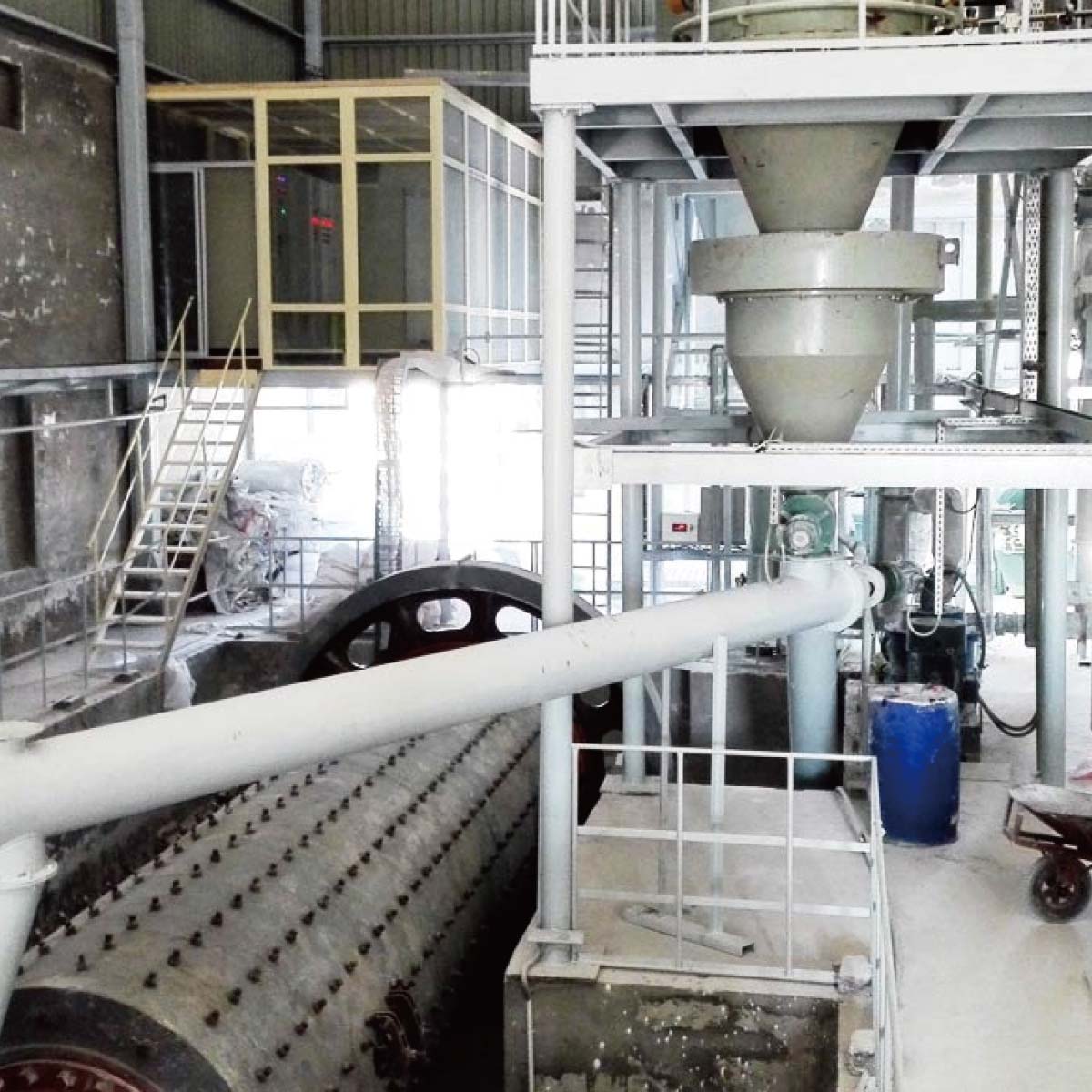
After coarse crushing, the material enters the ball mill through the feeding device. The grinding media in the ball mill obtains kinetic energy from the rotation of the mill, repeatedly impacting and grinding the material. The crushed material enters the suction tank at the tail of the ball mill and is transported to the classifier under the action of negative pressure for classification. The qualified fine powder is collected by the cyclone collector or dust collector, and the unqualified coarse particles are discharged from the bottom of the classifier and re-enter the ball mill through the feeding device for re-crushing.

Ball mill and airflow classifier automated production lines are widely used in industries such as quartz sand, calcium carbonate, and white corundum. These are the most advanced automated production lines for mineral crushing and classification, characterized by low energy consumption, high output, stable and efficient operation, mature technology, and controllable particle size. The process primarily includes crushing (generally using a two-stage crushing process), grinding, classification, packaging, silos, conveying, and lifting. The ball mill can be connected to multiple classifiers in parallel or in series to simultaneously produce products with varying particle sizes. The ball mill and classifier form a closed-loop system.

Performance and features

Optimized Aspect Ratio to Avoid Over-Grinding

Scientifically optimize the equipment's aspect ratio parameters to effectively inhibit material over-grinding, ensuring precise control of the grinding process. It simultaneously improves material grinding uniformity and finished product quality, achieving a more ideal grinding effect.

Upgraded Jaw Plate & Media for Finer Grinding

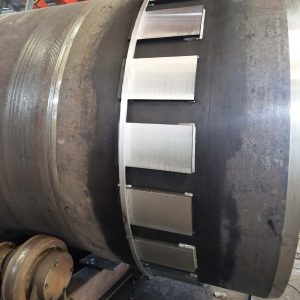
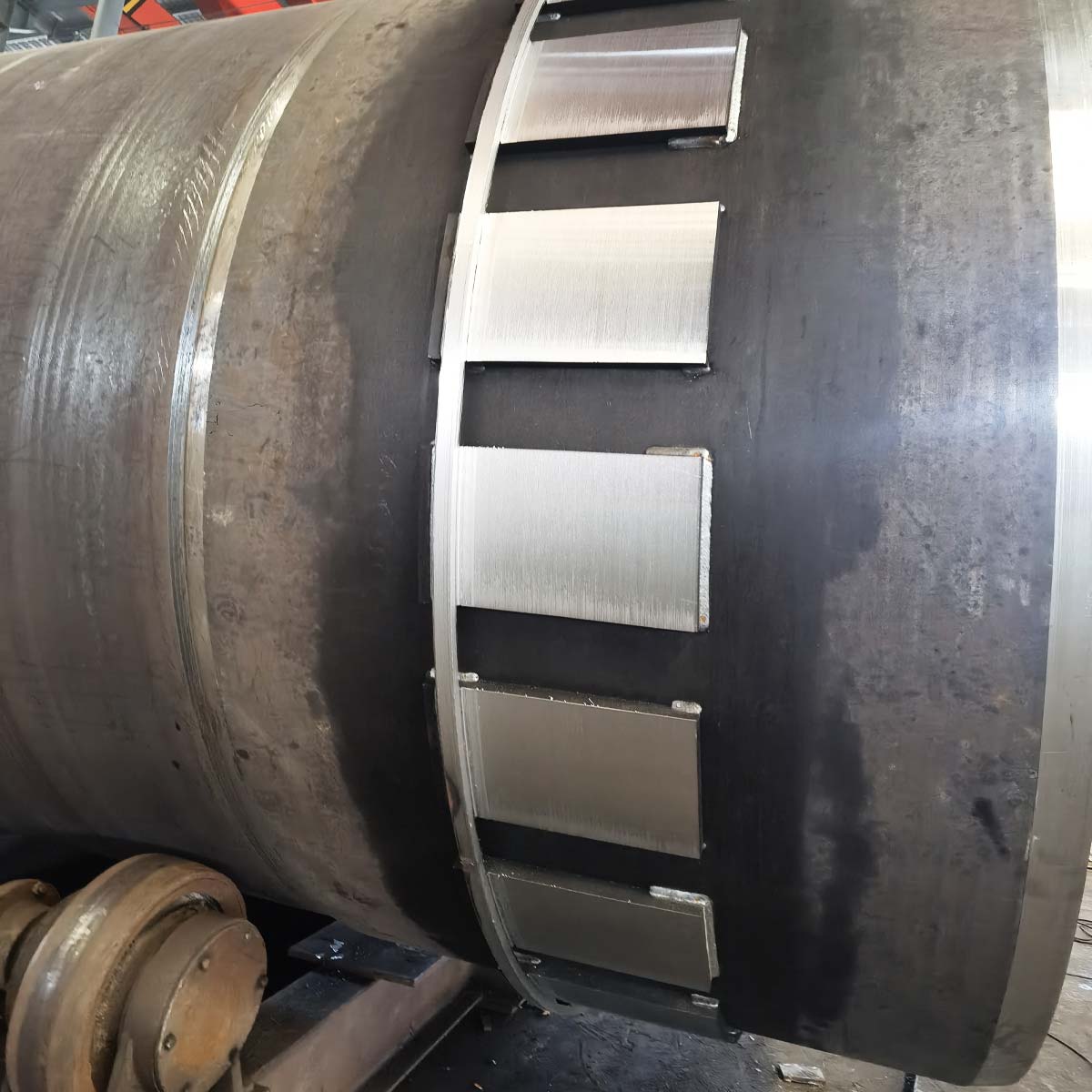
Optimize the opening rate and hole structure design of the jaw plate, and match it with smaller-sized grinding media. This increases the contact area between materials and grinding media, enhances grinding force, significantly improves the finished product's grinding fineness, and meets ultra-fine processing requirements.

Plate-Type Tail Discharge, No Cylinder Cooling Required

Adopt a plate-type mill tail discharge method, ensuring smooth material discharge and eliminating material retention during grinding. Meanwhile, this design eliminates the need for additional cylinder cooling, simplifying the equipment structure and operating process.

Grinding Aid Addition to Improve Ultra-Fine Grinding Efficiency

For ultra-fine powder grinding scenarios, accurately add grinding aids. By reducing material grinding resistance and minimizing particle agglomeration, it effectively improves grinding efficiency, shortens the processing cycle of ultra-fine powder, and lowers unit energy consumption.

Closed-Loop System Design for Dust-Free Operation

Form a complete closed-loop system with the classifier, adopting negative pressure conveying technology. Materials complete the entire process of grinding, classification, and conveying in a closed environment with no dust leakage, realizing green and dust-free operation that complies with environmental protection production standards.

Iron-Free Pollution Design for Hard Minerals

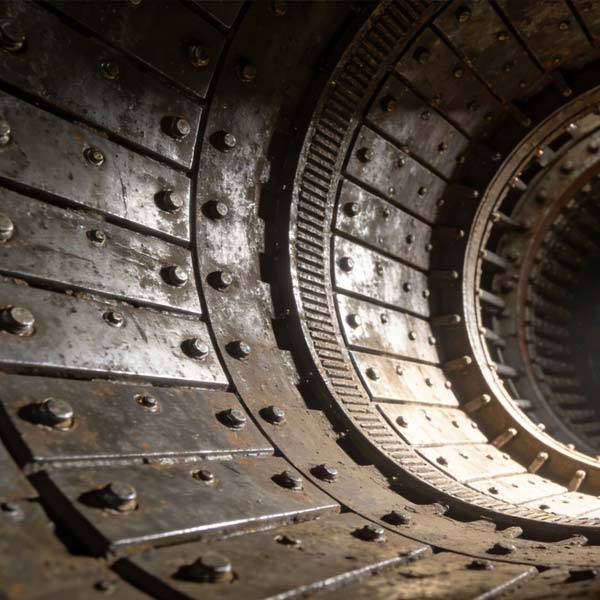
Targeting hard mineral processing needs, adopt a special iron-free pollution design. The equipment's inner lining and grinding media are made of alumina ceramic, quartz, SILEX, or special materials, avoiding iron contamination of materials during grinding and ensuring product purity.

Precise Quantitative Feeding, Adapting to Material Density Changes

The ball mill is equipped with a precise quantitative feeding system. Through an intelligent control mechanism, it can maintain a stable feeding rate even when material density fluctuates, preventing uneven feeding from affecting grinding efficiency and finished product quality.
Interlocked Feeding Control to Ensure System Stability

The classifier adopts a precise quantitative feeding system, forming an interlocking control logic with the ball mill's discharge link. This achieves coordinated matching of feeding, discharge, and classification, ensuring stable operation of the entire system and precise control of product particle size.

Precise Grinding Aid Spraying to Match Fineness Requirements

Equipped with a high-precision metering pump, it can uniformly spray grinding aids into the mill at precise time intervals and dosages according to preset product fineness standards, maximizing the grinding aid effect and stably improving grinding efficiency and finished product fineness.

Precise Airflow Control to Optimize Classification Efficiency

The damper valve is equipped with a professional airflow measurement system, which can real-time monitor and precisely adjust airflow velocity. By optimizing airflow parameters, it ensures stable classification, thereby improving classification efficiency and particle size screening accuracy, and ensuring uniform finished product particle size.

Technical Parameters

swipe_leftSwipe left on the table below to view more models

Technical parameters of ball mill grinding and classifier production line (take quartz as an example)

Parameters / Model JBM 1570 1830 2200 2400 2600
Ball mill power (kW) 75 160 245 320 560
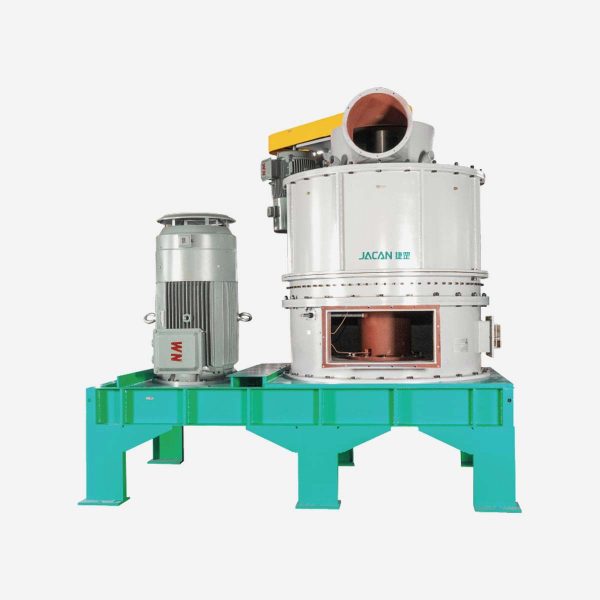
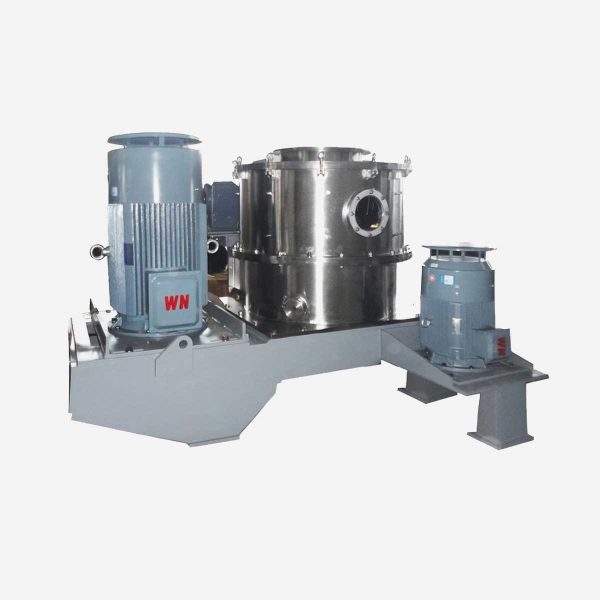
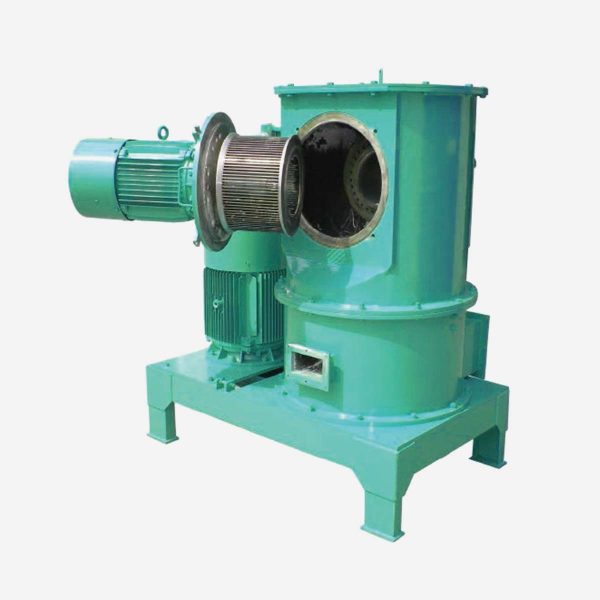
Classifier Parameters / Model JCSF-400V JCSF-450V JCSF-500V JCSF-630V JCSF-800V
Classification power (kW) 11 15 22 37 55
Conveying packaging power (kW) 5 11 11 11 22
Air compressor power (kW) 7.5 11 15 15 22
D90~92:45μm capacity (t/h) 1 2 3 4.5 6.7
D90~92:15μm capacity (t/h) 0.5 1 1.6 2.7 3.4
D90~92:10μm capacity (t/h) 0.35 0.75 1 1.5

We supply special grinding media and accessories for ball mill

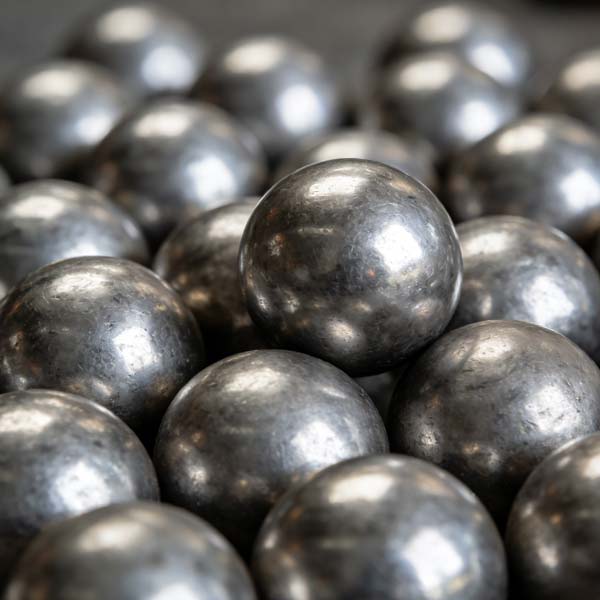
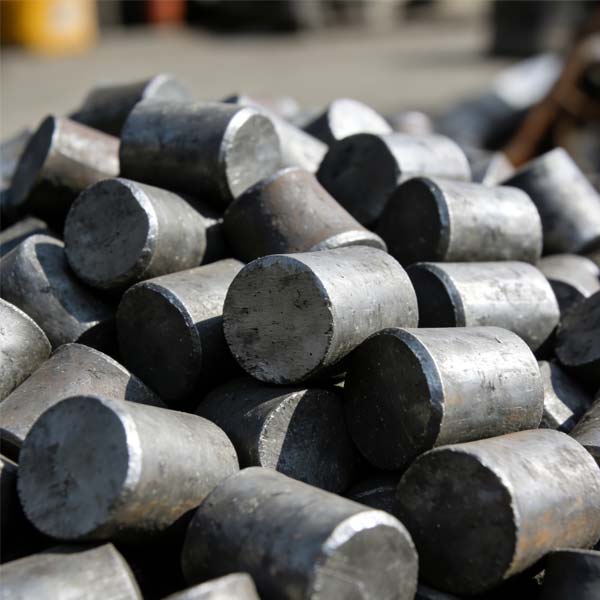
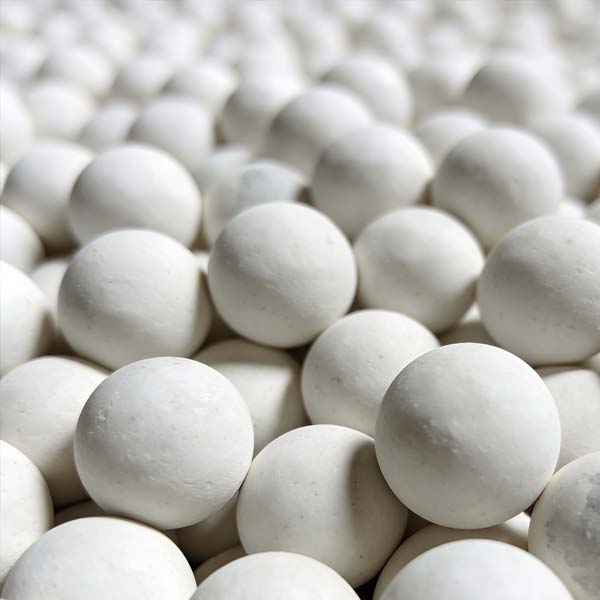
Including forged steel balls, cast steel balls, ceramic balls, steel rods, wear-resistant liners and so on.

Forged and Cast Steel Balls

Steel Segments for Ball Mill

Ceramic Balls for Ball Mill

Wear-Resistant Liner for Ball Mill

Note: The production capacity is closely related to the particle size, specific gravity, hardness, moisture and other indicators of the raw materials.
The above parameters are for reference only, please consult our engineers for details.

This equipment was used on site in these projects

No results found.

You might also be interested in them

Some related products & equipment
access_time
1-2 Months Lead Time

With product quality firmly ensured, the time required to complete delivery is 1 to 2 months.

attach_money
Outstanding Cost Performance

Matching the consistent quality of German and Japanese brand products, ours comes at a price that’s only 1/3 of theirs.

engineering
Hassle-Free After-Sales Support

Should you encounter any issues during the production process, there’s no need to worry—we offer 24/7 assistance to address your concerns.

build
On-Site Installation & Training

We provide on-site support for equipment installation and debugging, along with thorough operation training to ensure smooth use.

全局代码(添加在网站的每一页body结束之前)