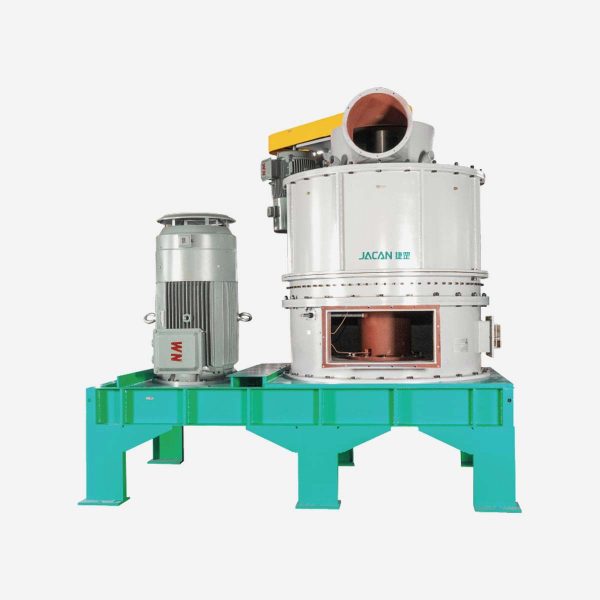
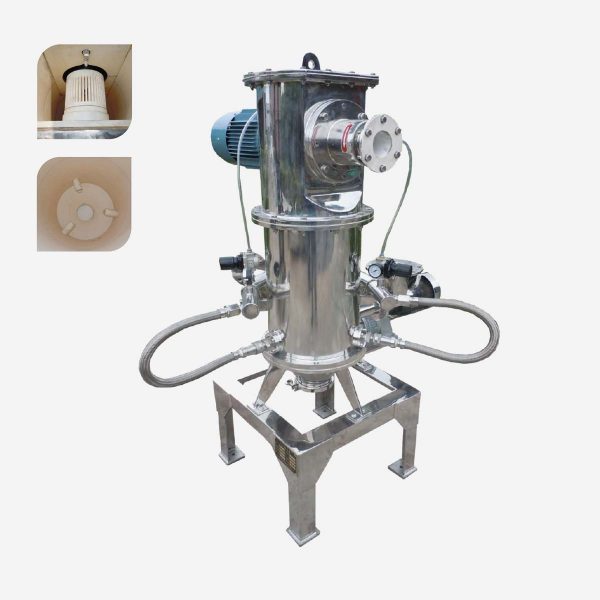
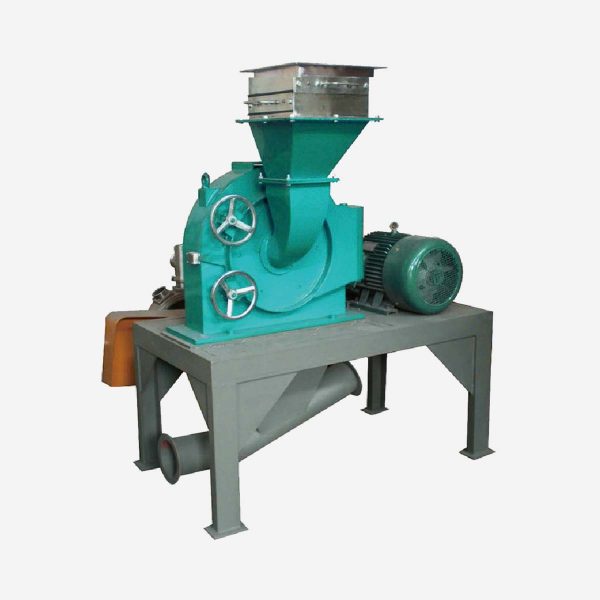
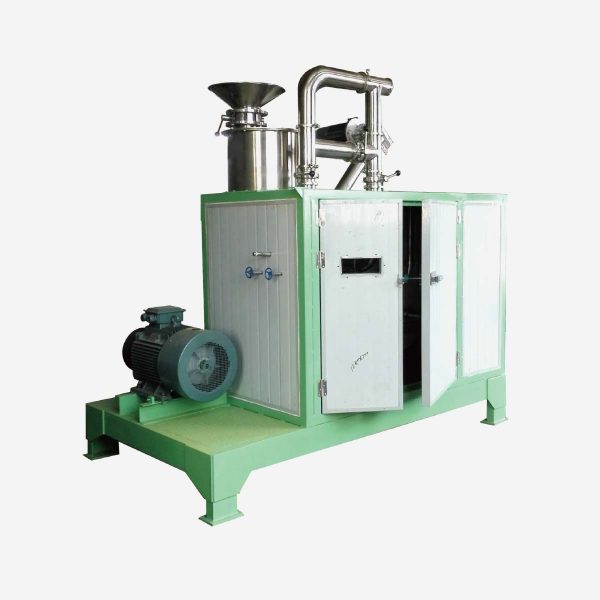
Ultrafine grinding is a key process for enhancing the core performance of pigment and dye products, and it can optimize product performance through precise particle size control (usually grinding to 5-50μm). On the one hand, it can reduce the particle size of pigment particles and narrow the particle size distribution range, significantly increasing the specific surface area of pigments, thereby enhancing tinting strength and hiding power — for example, after ultrafine processing of titanium dioxide pigments, the hiding effect can be improved by 15%-30% with the same dosage. On the other hand, ultrafine grinding can break the agglomeration of pigments and dyes, improve their dispersion uniformity in media such as solvents and resins, avoid color spots and specks, and ensure the color consistency and appearance texture of end products like coatings and inks.
At the same time, this process can also adapt to multi-scenario application needs and ensure production safety. For textile dyes, ultrafine grinding can refine particles to a size that easily penetrates fibers, improving dyeing uniformity and color fixation effect while reducing dye waste. For pigments used in ceramics and plastics, ultrafine processing enables better integration of pigments with substrates, avoiding color differences during high-temperature firing or processing.