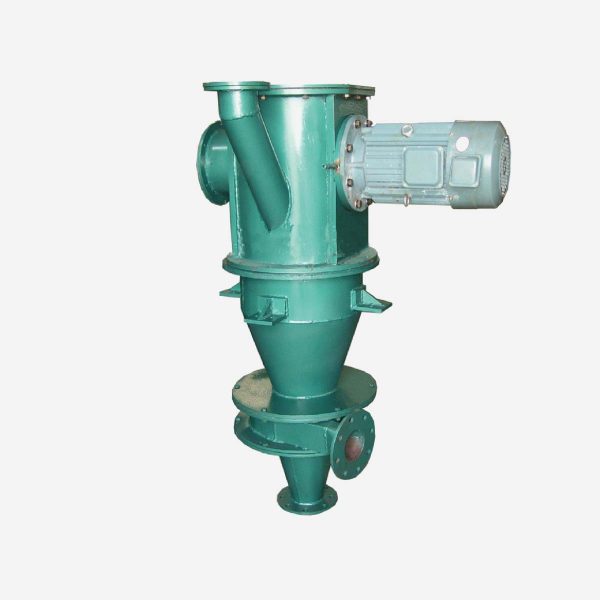
In the powder processing process, the classifier is a key equipment that determines the final product quality—it can separate crushed uneven particles by particle size, ensuring the accurate collection of qualified powder and the reprocessing of unqualified particles through reflow. However, facing various classifier models on the market, many users fall into a selection dilemma. Combining JACAN Technology’s years of industry practice, this article summarizes 3 core dimensions for classifier selection to help you quickly lock in the suitable equipment.
1. Clarify Capacity Requirements to Match Production Scale
Capacity is the basic indicator for classifier selection, directly related to the overall efficiency of the production line. Before selection, it is necessary to clarify the daily/hourly processing capacity to avoid “overusing a large machine” or “overloading a small machine.” For example: For small-batch R&D in laboratories, a small classifier with a capacity of 5-50 kg/h can be selected; for large-scale production in mining enterprises, a large-classification equipment with a capacity of 1-10 tons/h is required.
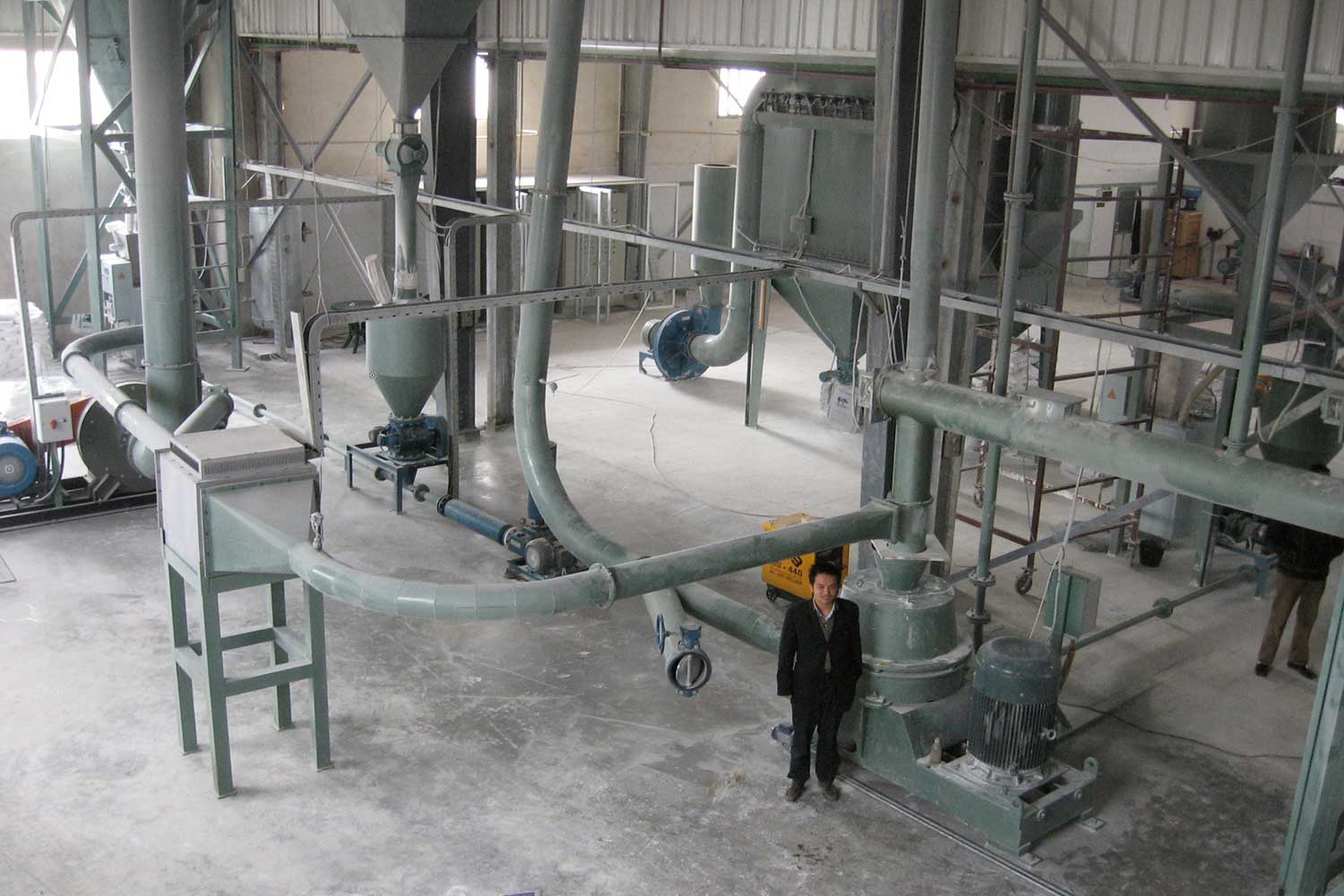
JACAN Technology’s classifiers can be customized according to capacity requirements. Whether it is small-scale test equipment or large-scale production line supporting models, stable operation can be guaranteed. Its production base covers 40,000 m², with large-scale production capacity, enabling fast delivery within 1-2 months without delaying your production schedule.
2. Lock in Precision Requirements to Meet Product Standards
Classification precision is the core competitiveness of a classifier, and selection must be based on the particle size requirements of the final product. Different industries have significant differences in precision requirements: The food and pharmaceutical industries require micron-level precise classification (such as traditional Chinese medicine extracts with a particle size ≤ 10 μm), chemical raw material classification needs to control the uniformity of particle size distribution, and lithium battery materials have higher requirements for particle size consistency.
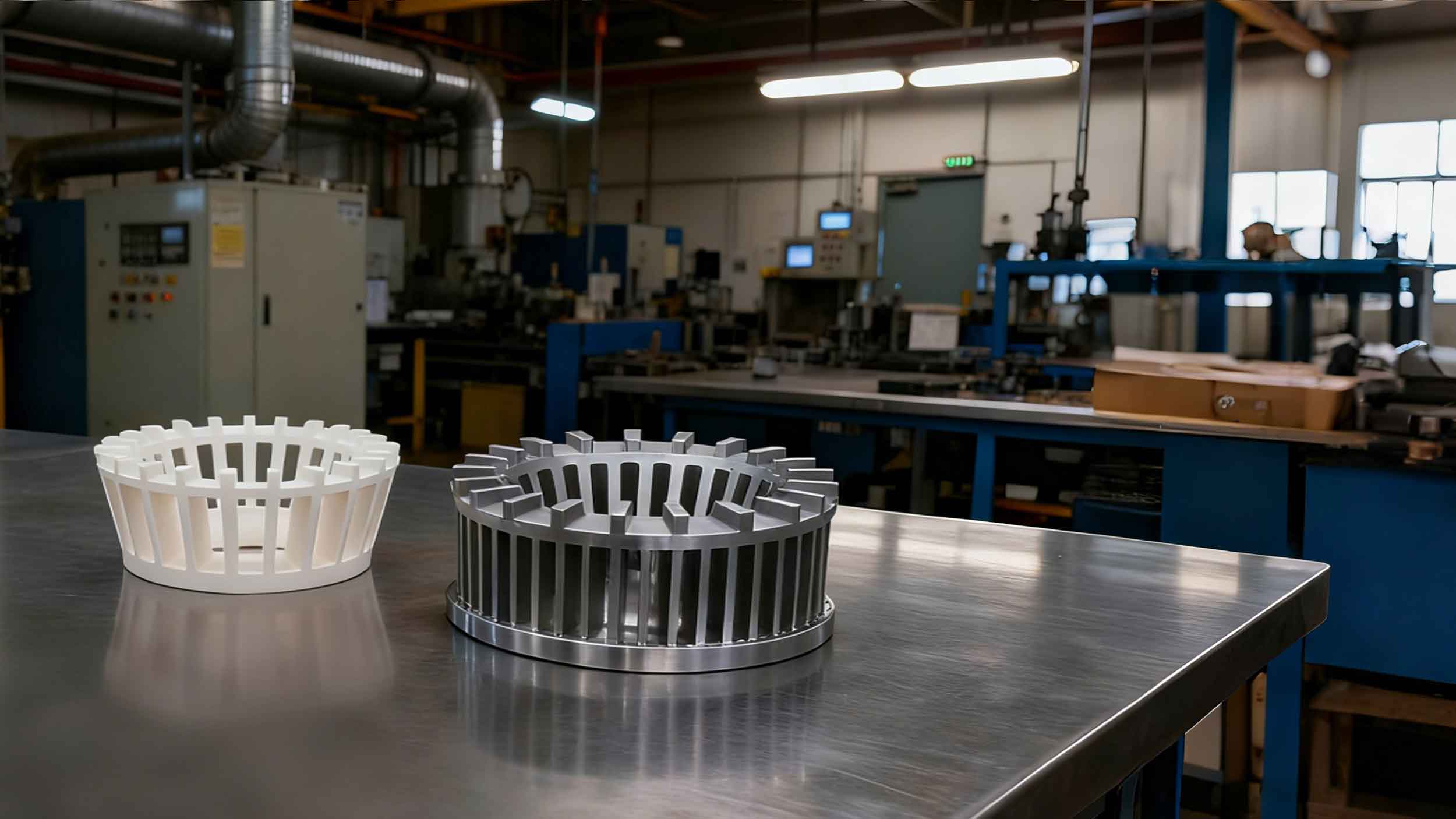
JACAN’s classifiers adopt the combined separation principle of “centrifugal force + gravity + inertial force.” By optimizing the structure of the classification turbine and regulating the rotational speed, high-precision classification can be achieved with a particle size control error of ≤ ±5%. For special industries such as medicine and food, customized models that meet GMP certification and hygiene standards can also be provided to ensure product compliance.
3. Adapt to Material Characteristics to Avoid Processing Risks
Material characteristics are the key premise for classifier selection. The hardness, humidity, viscosity, and corrosiveness of different materials will directly affect the classification effect, so it is necessary to select equipment materials and structures in a targeted manner. For example:
- Corrosive materials (such as chemical raw materials): Classifiers made of stainless steel or special alloy materials should be selected to prevent equipment wear;
- Viscous materials (such as cosmetic powder): The structure of the classification chamber needs to be optimized to avoid material wall sticking and blockage;
- Heat-sensitive materials (such as enzymes): A low-temperature processing module can be matched to ensure that material performance is not lost.
With 20 years of experience in the industry, JACAN Technology has developed special classifier solutions for the material characteristics of different industries such as minerals, lithium batteries, food, and medicine. Its more than 1,000 material processing cases cover various scenarios. The equipment structure can be customized according to your material parameters, and free testing services are provided to ensure that the classification effect meets the standards.
In addition to the above 3 core dimensions, additional factors such as equipment energy consumption, automation level, and after-sales service can also be considered during selection. JACAN’s classifiers have the advantage of high efficiency and energy saving, and support intelligent automatic operation. Coupled with 24/7 after-sales service and on-site installation and training, it makes your use more worry-free.